Introduction
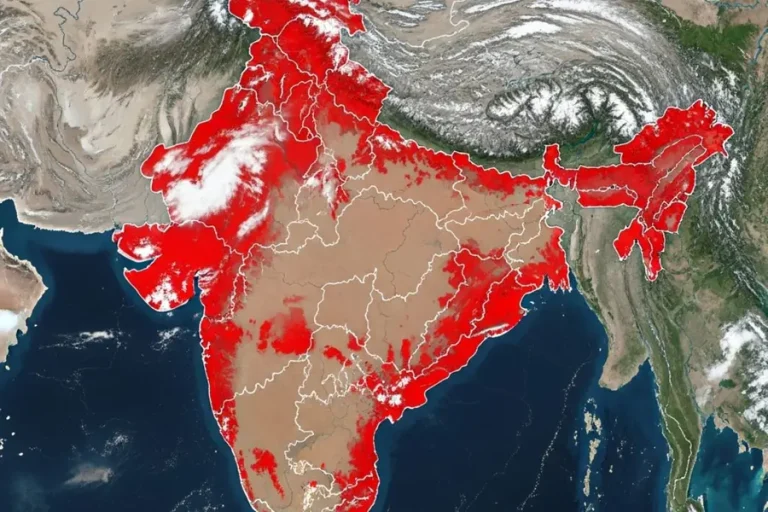
Climate change is significantly impacting agricultural production worldwide, with Asia and Africa being the most affected regions. The Ukraine war in 2022 further highlighted the vulnerability of global food systems to climate-related disruptions.
Climate Change Impacts on Agriculture
- Disrupted supplies of wheat, corn, and sunflower from the Black Sea region
- Three consecutive years of La Nina and El Nino events affecting crop production
- India experienced reduced yields in wheat, rice, pulses, and oilseeds
- Africa faced challenges due to floods, droughts, and export restrictions from other countries
Agri-Tech Companies’ Response
Global agricultural companies are now focusing on climate change mitigation, regenerative agriculture, and sustainable farming practices. India, with its diverse agro-climatic conditions, has become a key focus area for these initiatives.

Key Players and Their Initiatives
1. Mahyco and Savannah Seeds (RiceTec Inc)
– Formed “Paryan,” an agricultural-climate technology company
– Focus: Direct-seed rice and zero tillage wheat technologies
2. Syngenta
– Launched Climate Smart Project in Haryana and Punjab
– Extends to Basmati rice cultivation
– Offers soil health analysis, crop residue and water management, and carbon sequestration measurement
3. Bayer
– Aims to bring 1 million hectares under direct-seeded rice by 2030
– Collaborating with Crystal for small landholders in cotton, soybean, vegetables, and fruit crops
4. Corteva Agriscience
– Leading private sector efforts in popularizing Direct Seeded Rice (DSR) system
5. Other Initiatives
– Bayer targets 160 million hectares for regenerative farming
– Syngenta aims for 50 million hectares under regenerative practices
 Technology & AIPlant Prebiotics Build Bullish Case in $3B Soil Input Market
Benefits of These Initiatives
- Reduced input costs for farmers (water, labor, crop protection)
- Lower carbon emissions
- Increased agricultural productivity
- Introduction of climate-resilient crop varieties
Positive Outcomes
- Stabilized agricultural production despite climate challenges
- Improved crop productivity
- Enhanced competitiveness leading to potential consumer benefits
In Conclusion
The focus of global agri-tech companies on sustainable and climate-smart agriculture in India represents a significant step towards addressing climate change challenges in the agricultural sector. These initiatives not only aim to stabilize production but also promise to improve productivity and potentially reduce costs for consumers.