In a recently released report, the USDA has painted an intriguing picture of the global sugar market for the 2024-25 season. Our analysis at Hectar reveals several key trends that traders and industry stakeholders should watch closely.
Production Outlook: A Tale of Regional Variations
Global sugar production is projected to reach 186.6 million tonnes, marking a 2.8 million tonne increase from previous estimates. However, this headline figure masks significant regional variations that could create interesting arbitrage opportunities:
Brazil: Weather Impacts Major Producer
- Production forecast at 43 million tonnes
- 2.5 million tonnes lower than initial projections
- Key factor: Dry weather affecting sugarcane availability
- Sugar-ethanol mix remains stable at 49:51
- Market impact: Potential pressure on global exports
Asian Giants Show Strength
- India:
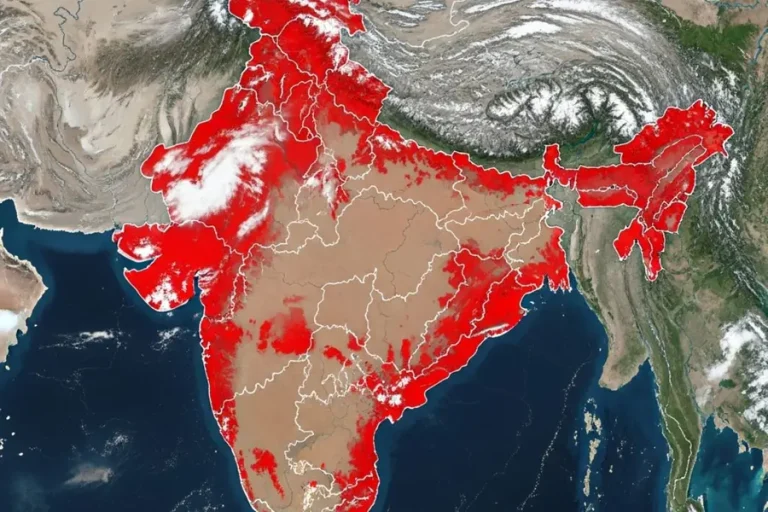
- Production estimated at 35.5 million tonnes (pre-ethanol diversion)
- Favorable monsoon conditions driving higher yields
- Record domestic consumption expected at 32 million tonnes
- Export potential: 3.7 million tonnes
- Significant ending stocks of 13.6 million tonnes
- Thailand:
- 16% production increase to 10.2 million tonnes
- Strong export outlook: Over 10 million tonnes
- Notable: Expected reduction in ending stocks to 6.82 million tonnes
- Weather conditions supporting higher yields
- China:
- Production rising to 11 million tonnes
- Increased area under both sugarcane and sugarbeet
- Stable import demand at 5 million tonnes
- Consumer spending expected to rise with lower sugar prices
European Union: Strategic Production Increase
- Output projected at 15.6 million tonnes
- 690,000 tonnes increase from previous estimates
- Expanded sugarbeet area to meet rising demand
- Lower import requirements expected
Market Implications and Trading Opportunities
Supply Chain Dynamics
The divergent production patterns between Brazil and Asian producers could reshape traditional trade flows. Traders should watch for:
- Potential arbitrage opportunities between Brazilian and Thai exports
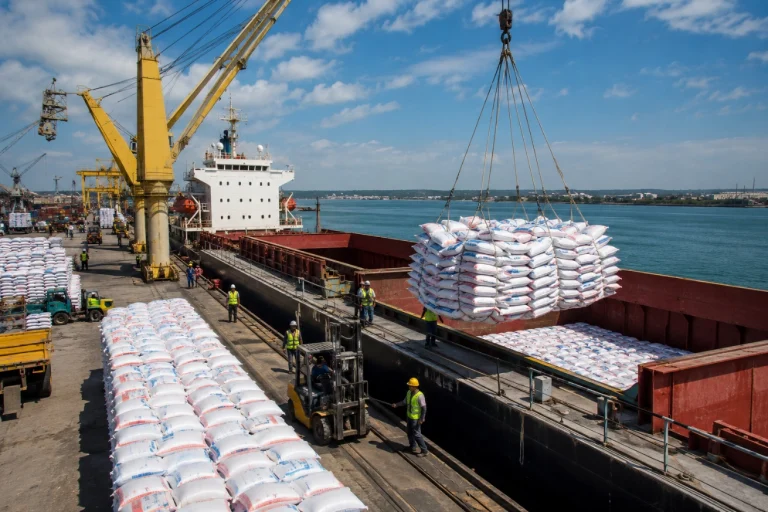
- Impact on freight rates and shipping routes
- Changes in regional price differentials
Price Outlook Factors
Several elements will influence price movements:
- Brazil’s reduced output despite being the second-highest on record
- Thailand’s strong export position
- India’s substantial buffer stocks
- Global consumption reaching record highs
 BusinessNew World Screwworm Signals Bearish $745M Cattle Risk
Strategic Considerations for Traders
- Geographic Arbitrage:
- Monitor price spreads between major origins
- Track changes in freight rates affecting landed costs
- Consider counter-seasonal opportunities
- Timing Decisions:
- Watch production cycles in key origins
- Monitor weather patterns affecting major producers
- Track port congestion and logistics bottlenecks
- Risk Management:
- Consider the impact of ending stock variations
- Monitor changes in consumption patterns
- Track policy changes in major producing countries
Looking Ahead
The 2024-25 sugar market presents both challenges and opportunities. While global production is increasing, the reduction in Brazilian output and varying regional patterns could create interesting market dynamics. Traders using data-driven approaches will be better positioned to capitalize on these market movements.