Production Forecasts and Price Movements
The latest USDA forecasts reveal a slight downward revision in global rice production estimates, primarily due to reduced output expectations in the Philippines and Nepal, although Brazil’s outlook remains positive. This adjustment has had immediate effects on the global rice market:
- India’s 5% broken white rice: Up $2 to $450/tonne
- Vietnam: Increased to $509-514/tonne from $508
- Thailand: Significant rise of $15 to $529/tonne
- Pakistan: Modest increase of $1 to $453/tonne
Demand Dynamics
Strong demand is emerging from several key markets:

- Indonesia
- Nigeria
- Vietnam
- Philippines
- Bangladesh (expected to import 600,000 tonnes)
However, Chinese purchases are anticipated to decrease, while Thailand and Cambodia are likely to see lower stock levels than initially projected.
Global Market Projections 2024-25

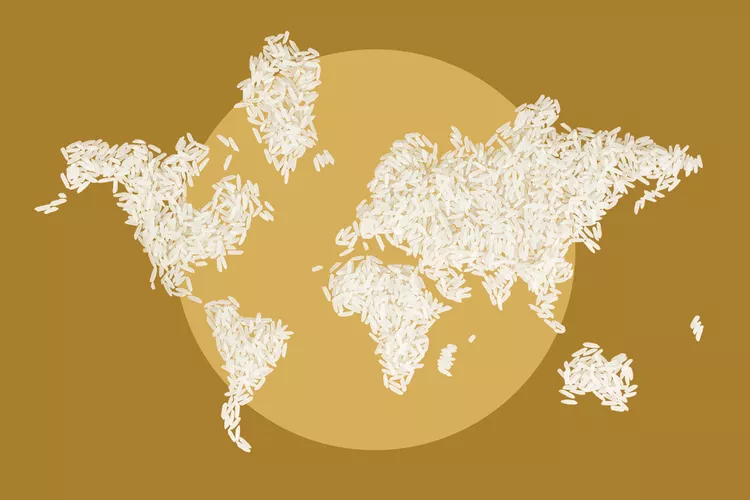 EconomyThe World Rice Map: Where It Is Grown, Traded And Needed Most
Spotlight: Haiti’s Shifting Import Patterns
An interesting development in the global rice trade is Haiti’s increasing preference for Pakistani rice over U.S. imports. This shift has reduced the U.S. market share in Haiti from 95% to 71% during January-September 2024. Two key factors are driving this change:
- Pakistan’s competitive pricing advantage due to:
- 25% rupee devaluation since January 2023
- Lower container shipping costs from Karachi port
- Haiti’s ongoing socio-economic challenges making price a crucial factor
Market Implications and Conclusion
The global rice market is showing interesting dynamics with production estimates, while still at record levels, facing some downward pressure. The shift in trading patterns, exemplified by Haiti’s import preferences, highlights how economic factors and shipping costs can significantly impact market shares. For traders and importers, these developments suggest the importance of monitoring not just production numbers but also currency movements and logistics costs in making trading decisions.
The market appears to be maintaining a delicate balance between robust production levels and strong demand from key Asian and African markets. As we move further into 2024, these patterns will likely continue to influence price movements and trading opportunities in the global rice market.