Chickpeas: Record Production Growth
Canada’s chickpea production is set to witness a remarkable 80% increase in the 2024-25 marketing year compared to the previous season. The country’s Agriculture Department forecasts production to reach 287,000 tonnes, up from 159,000 tonnes in 2023-24. This substantial increase, combined with higher US production estimates of 280,000 tonnes (up 30%), suggests a well-supplied global chickpea market.
Key market indicators:

- Total supply expected to rise 21% to 361,000 tonnes
- Exports projected at 170,000 tonnes
- Carryover stocks likely to increase significantly to 100,000 tonnes
- Average prices forecasted to decline 19% to $815/tonne
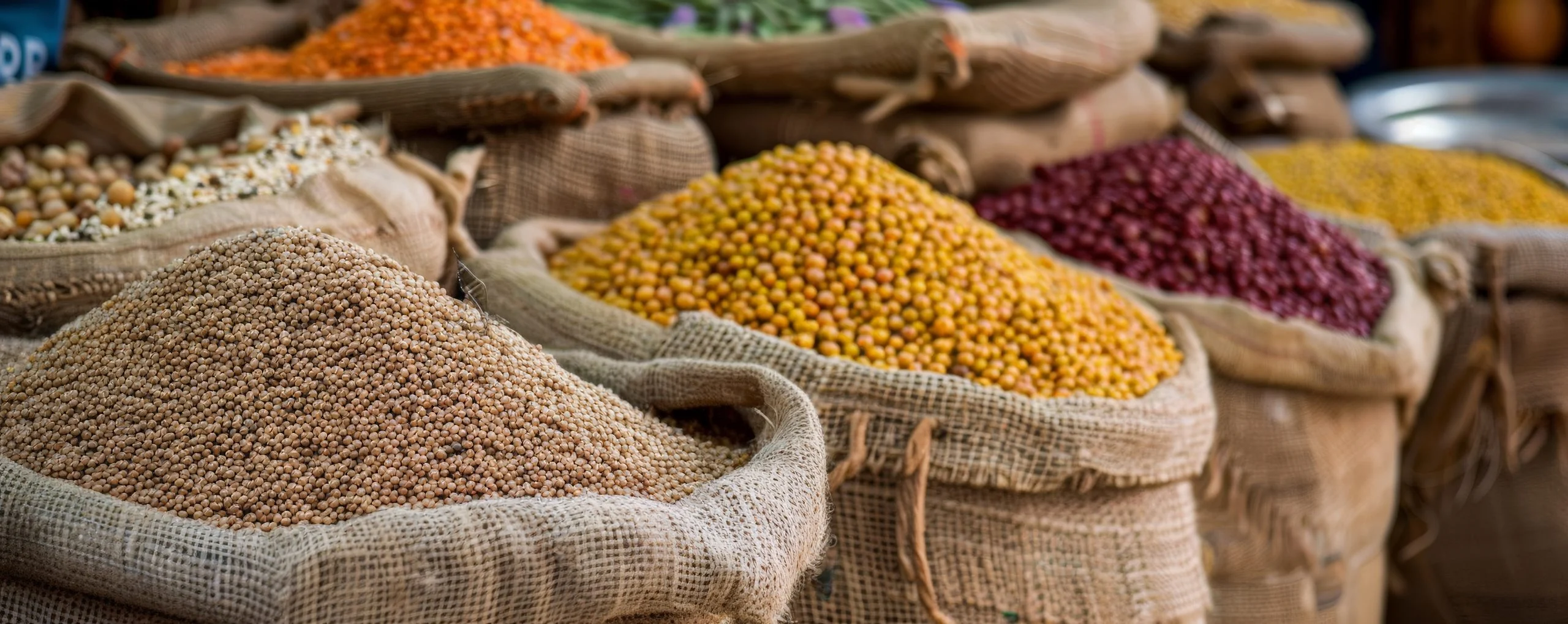
Lentils: Strong Production Recovery
The lentil segment shows equally robust growth, with production estimated to increase by 35% to 2.4 million tonnes. This growth is attributed to both expanded acreage and improved yields. The breakdown of production includes:
- Large green lentils: 450,000 tonnes
- Red lentils: 1.7 million tonnes
- Other varieties: 250,000 tonnes
The US market is also contributing to the supply surge, with lentil acreage up 71% and production expected to reach 430,000 tonnes, marking a 66% increase from 2023-24.
 Personal Finance & Cost of LivingTur Dal Price Today: Why a Cheaper Mandi Price Doesn’t Always Mean a Cheaper Grocery Bill
Dry Peas: Moderate Growth with Stable Exports
The dry peas sector is projected to see a 15% production increase to 3 million tonnes, driven by both higher yields and increased acreage. Notable points include:
- Yellow peas expected to account for 2.4 million tonnes
- Green peas projected at 450,000 tonnes
- Total supply increase limited to 2% due to lower carryover stocks
- Exports forecast to remain stable at 2.4 million tonnes
- Average prices expected to decrease 8% to $425/tonne
Market Implications and Trading Outlook
The overall pulse market outlook for 2024-25 suggests a bearish trend driven by increased production across all major varieties. This supply expansion, coupled with stable to marginally lower export projections, indicates:
- Price Pressure: Traders should anticipate downward price pressure across all pulse varieties, with chickpeas facing the steepest projected decline.
- Inventory Management: Higher carryover stocks could influence storage strategies and timing of sales.
- Trading Opportunities: The price differential between varieties and origins might create arbitrage opportunities for well-positioned traders.
- Risk Management: With increasing supplies and bearish price forecasts, robust hedging strategies will be crucial for market participants.
Conclusion
The 2024-25 marketing year presents both challenges and opportunities in the global pulse trade. While abundant supplies may pressure prices, they also ensure stable availability for importers and processors. Market participants should closely monitor demand trends and logistical factors that could influence regional price differentials and create trading opportunities despite the overall bearish outlook.