Strategic Procurement to Support Farmers and Stabilize Markets
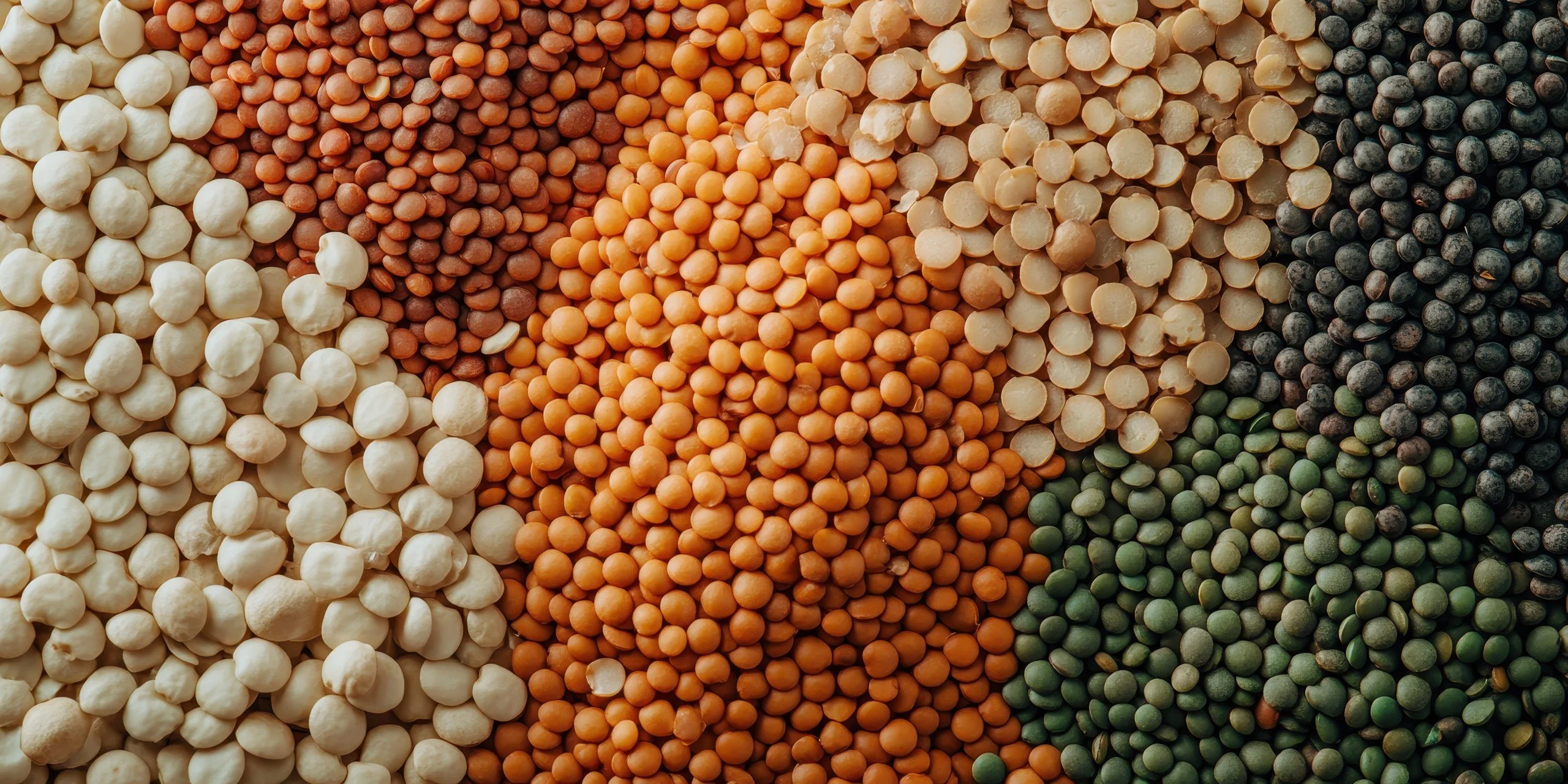
The Indian government is preparing for a significant procurement drive, with plans to purchase more than 3.5 million tonnes (MT) of pulses at the minimum support price (MSP) for the crop year ending June. This initiative falls under the Price Support Scheme (PSS) and serves the dual purpose of ensuring farmers receive fair compensation while encouraging continued pulse cultivation as part of India’s self-sufficiency goals.
The procurement plan is substantial and targeted, with the government already sanctioning the purchase of:

- 2.16 MT of chickpeas (the primary winter or rabi crop)
- 0.94 MT of lentils
- 90,000 tonnes of black matpe
- 13,575 tonnes of moong
Buffer Stock Situation and Market Intervention
Current buffer stocks stand at approximately 135,000 tonnes, significantly below the established norm of 3.5 MT. This shortfall necessitates accelerated procurement to rebuild these strategic reserves, which serve as a critical market intervention mechanism to address price volatilities.
Government officials have indicated a commitment to maximize pulse procurement, supported by optimistic estimates for the rabi pulse crop. Farmer cooperatives, including Nafed and the National Cooperative Consumers Federation (NCCF), will spearhead the procurement efforts to enhance buffer stocks while ensuring farmers receive remunerative prices.
 GeopoliticsWhy India Has So Much Power Over the Global Rice Market
Current Market Dynamics
Market indicators suggest timely intervention is warranted:
- Pigeon pea prices at Akola’s APMC yards in Maharashtra currently hover around ₹75,250 per tonne, just below the MSP of ₹75,500
- Chickpea prices are currently aligned with the MSP of ₹56,500, though analysts anticipate downward pressure as peak arrivals commence in the coming weeks
For the 2024-25 season, Indian procurement agencies have already purchased nearly 82,500 tonnes of pigeon peas (a kharif or summer crop). This represents a significant increase compared to the previous two years when elevated market prices complicated government procurement efforts.
Expanded Procurement Plans
Government sources suggest procurement volumes could exceed initially sanctioned amounts, particularly for chickpeas. This expansion is driven by the Rajasthan government’s anticipated request for additional central assistance under the price support scheme.
The accelerated procurement strategy coincides with India’s extension of zero-duty imports for various pulses:
- Pigeon peas and black matpe until March 31, 2026
- Yellow peas until May 31, 2025
These zero-duty import provisions have contributed to moderating domestic pulse prices, making the government’s procurement initiative crucial for price stabilization and market balance.
Future Outlook
The procurement drive aligns with the government’s ambitious target to boost domestic pulse production to over 30 MT in the 2025-26 crop year, reinforcing India’s journey toward pulse self-sufficiency.
Conclusion: India’s enhanced pulse procurement strategy reflects a balanced approach to agricultural policy, addressing immediate farmer concerns while building resilience in the pulse supply chain. For market participants, these procurement activities signal potential price stabilization in the near term while supporting the long-term goal of domestic self-sufficiency. As global agricultural markets face increasing uncertainty, India’s proactive stance on pulse security represents a significant step toward sustainable food systems and reduced import dependence.