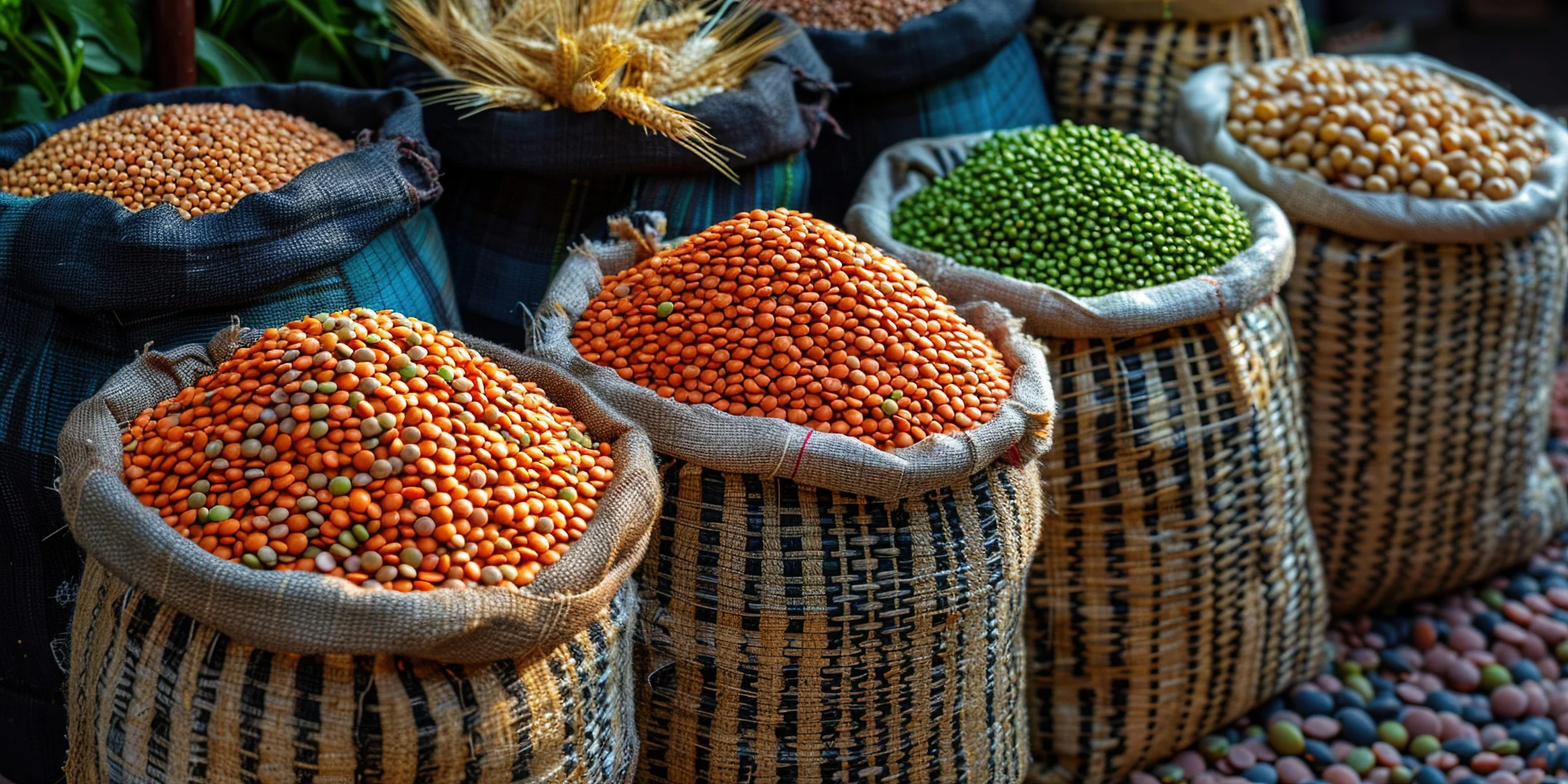
Global Pulse Prices Surge Amid India’s Crop Concerns
Global pulse prices — including lentils, peas, and chickpeas — gained upward momentum last week. This increase was driven largely by India’s heightened buying activity and growing fears of a poor domestic harvest. Analysts suggest that the market may have already reached its bottom, with clearer trends expected soon.
Pulse Market Drivers: India’s Crop Shortfall and Policy Support
1. Crop Shortfall Fears
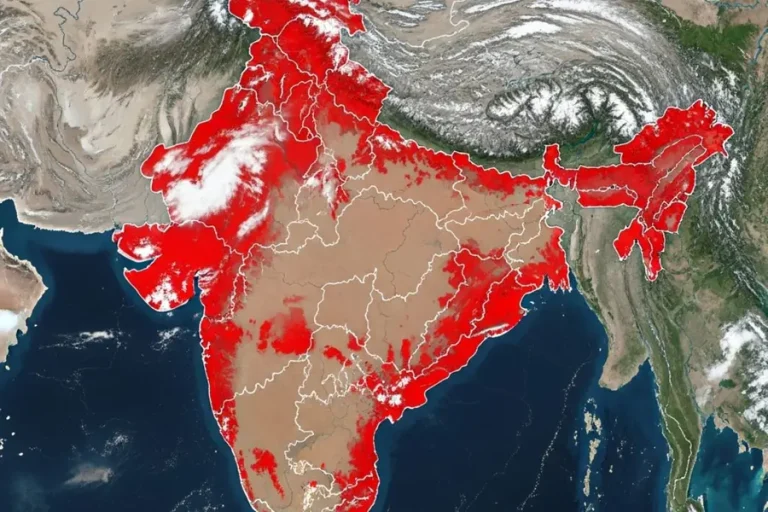
India’s delay in releasing its kharif crop estimates has sparked speculation about lower yields. While some experts expect only minor damage from heavy rains, uncertainty remains high, causing market anxiety and boosting prices.

2. Government Price Support Scheme
Adding to the momentum, the Indian government recently implemented a Price Support Scheme (PSS) for mung, black matpe, and pigeonpea. This policy aims to stabilize domestic markets where many pulse prices have been trading below the government’s Minimum Support Prices (MSP). The announcement has further encouraged farmers and traders to hold back supplies, strengthening the market.
Global Price Trends for Major Pulses
- Black Matpe: Myanmar raised its price by $10 to $845/tonne, while Brazil reduced it by $5 to $890.
- Chickpeas: Australia increased desi chickpea prices for India by $5–10 to $495/tonne.
- Lentils: Canada lifted green lentil prices by $5 to $640/tonne, while red lentil prices fell slightly — down $5 to $525 (Canada) and $520 (Australia).
- Peas: Yellow peas saw their first price hike in weeks, with Canada’s rate rising $5 to $345/tonne, while Russia cut its rate by $5 to $520.
- Pigeon Peas: Strong gains were observed as Myanmar increased prices by $30 to $775, and Mozambique raised rates by $25 to $610.
These mixed movements indicate that while overall demand is strengthening, regional supply and policy factors continue to create volatility across exporting nations.
 GeopoliticsWhy India Has So Much Power Over the Global Rice Market
Pulse Market Outlook: La Niña May Add Pressure
Global weather agencies predict a La Niña pattern from December to February, a phenomenon often linked with drought conditions in key pulse-growing regions like Africa and the Americas. If this occurs, it could tighten global supplies and drive prices higher, reversing the bearish sentiment that has persisted for over 18 months.
Conclusion
India’s combination of crop uncertainty, price support measures, and increased import activity has set the stage for higher global pulse prices. As weather risks loom and supply chains adjust, the coming months could mark a turning point for the global pulse market — shifting from a prolonged slump to a period of renewed growth and volatility.