What Are Pigeon Peas and Why Do They Matter
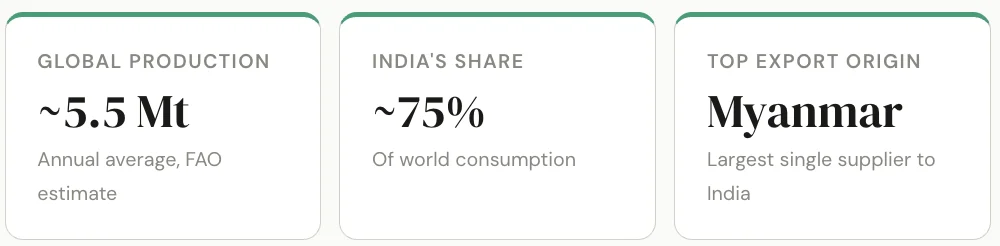
Pigeon peas (Cajanus cajan), known in India as tur dal or arhar dal, are a perennial legume crop cultivated across tropical and subtropical regions. They rank among the most important pulse crops globally, valued for their protein content of approximately 21-22%, drought tolerance, and role in nitrogen fixation.
For over one billion people across South Asia, pigeon peas are a dietary staple. In India, tur dal constitutes the base of dal – the preparation consumed daily across economic strata. This structural food security role means pigeon pea markets are politically sensitive and subject to frequent government intervention.

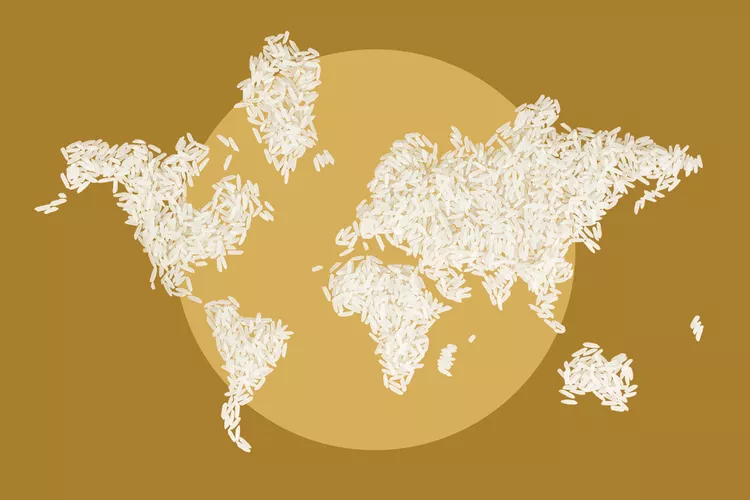
Despite modest global production volumes relative to other pulses, pigeon peas generate significant trade flows because India – the world’s largest consumer – routinely produces less than it consumes, necessitating consistent annual imports from a small pool of exporting nations.
Pigeon Pea Producing Countries: Where Supply Originates
Global pigeon pea production is highly concentrated. The table below shows the principal producing and exporting nations with their estimated share of exportable surplus.
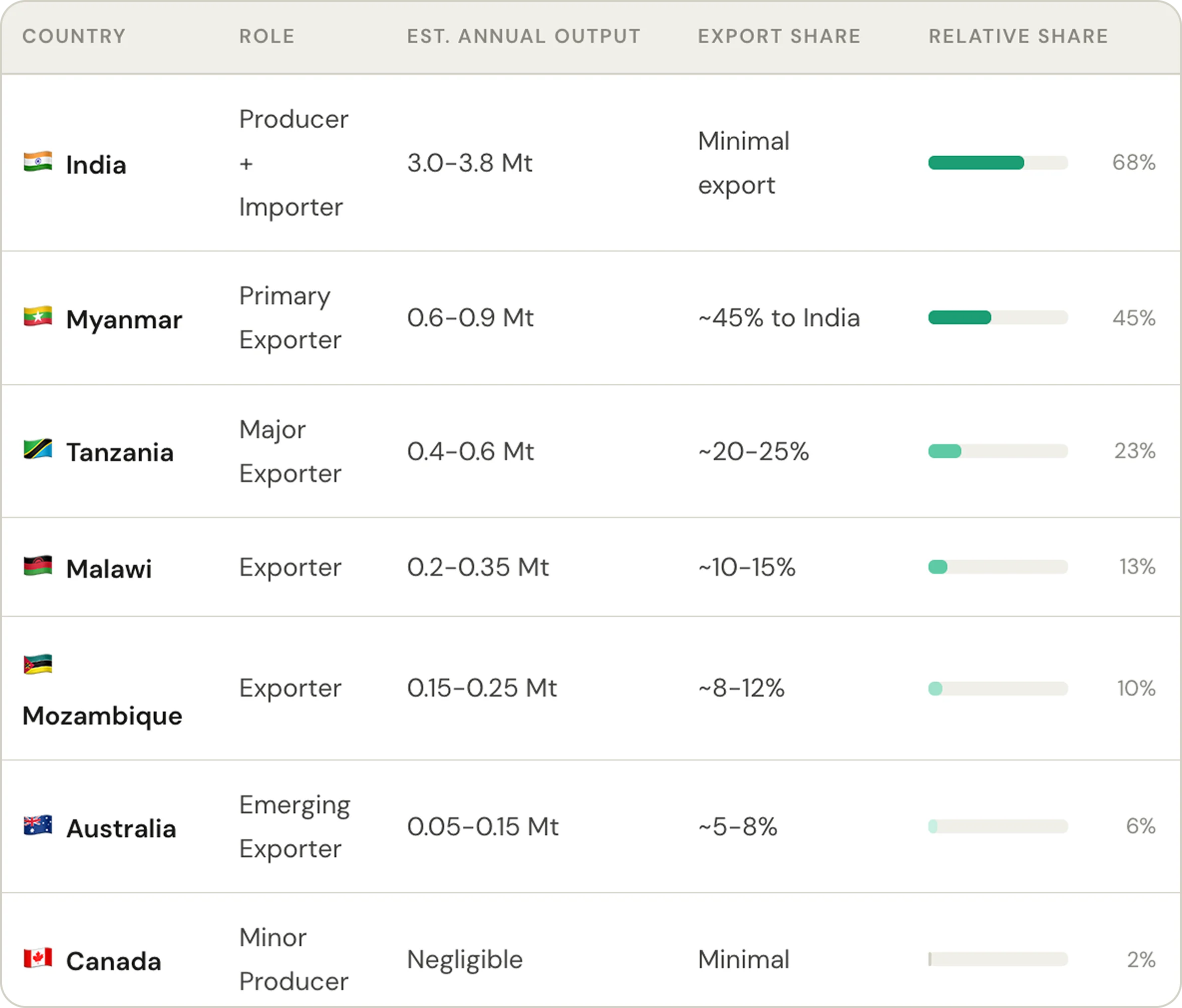
India dominates production in volume terms but is structurally a net importer. Myanmar is the single most important export origin, benefiting from geographic proximity, competitive production costs, and an established trade corridor to Indian ports. East African origins – Tanzania, Malawi, and Mozambique – have grown in significance over the past decade, supplying India when Myanmar volumes tighten.
Australia has developed pigeon pea cultivation in Queensland as part of a broader pulse diversification strategy. While volumes remain limited, Australian product is valued for consistent quality and phytosanitary compliance with Indian import standards.
 Personal Finance & Cost of LivingTur Dal Price Today: Why a Cheaper Mandi Price Doesn’t Always Mean a Cheaper Grocery Bill
India Pulse Imports: The Demand Engine
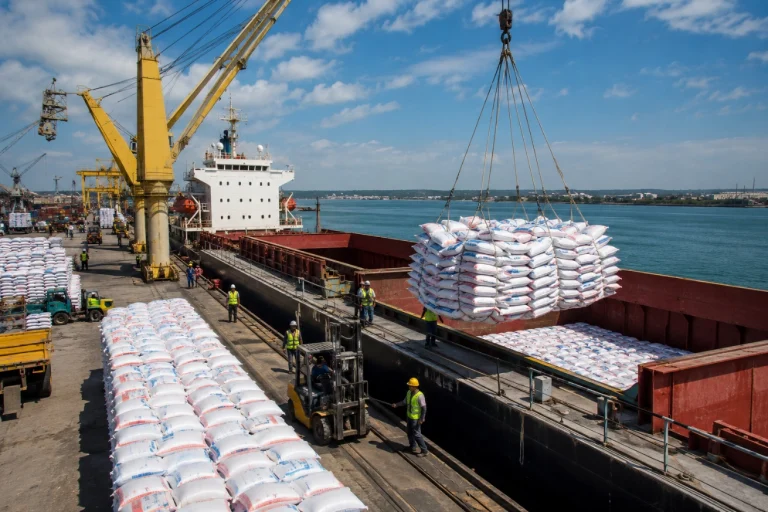
India pulse imports account for the overwhelming majority of global pigeon pea trade flows. Annual import volume fluctuates between 0.4 million tonnes and over 1.2 million tonnes depending on domestic crop performance, government policy settings, and international price competitiveness.
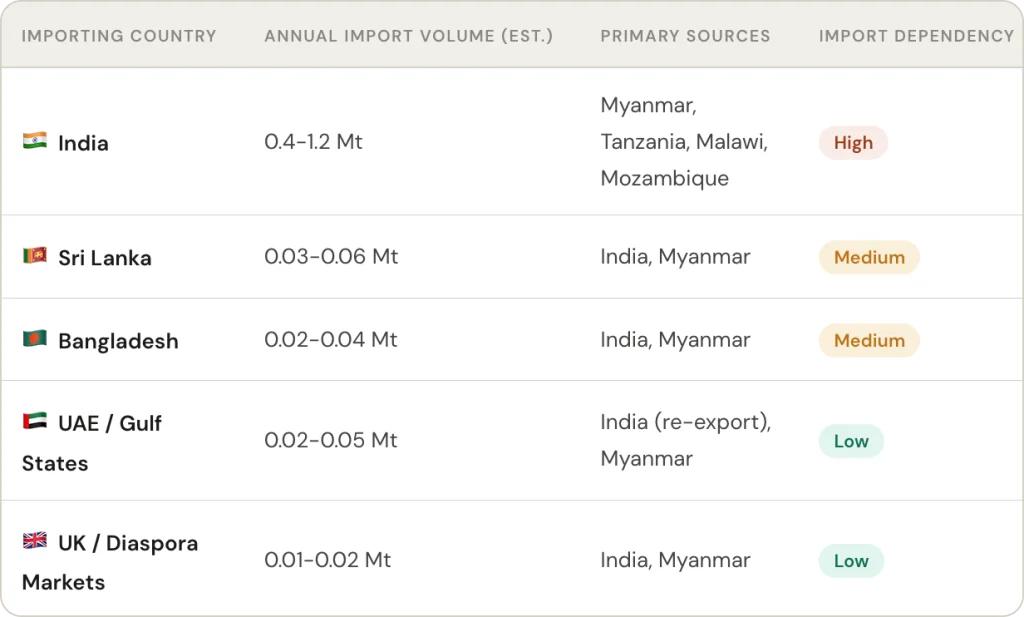
The concentration of import demand in a single buyer nation creates structural price sensitivity. When India’s government imposes stock limits, raises import duties, or restricts import licences, the effect is felt immediately across all exporting origins. When India opens import windows following a domestic crop shortfall, prices across Myanmar, East Africa, and Australia respond within days.
5 Pulse Price Drivers That Move the Pigeon Pea Market
- Indian Monsoon Performance and Domestic Crop Output
Kharif season rainfall across Maharashtra, Karnataka, and Madhya Pradesh is the primary determinant of Indian domestic supply. A below-average monsoon directly triggers expectations of higher import demand, pushing origins prices upward from as early as July-August. Above-average monsoon output suppresses import appetite and weighs on international prices through the post-harvest window (November-February). - Indian Government Policy: Tariffs, MSP, and Stock Limits
India’s Ministry of Consumer Affairs and Ministry of Agriculture intervene actively in the tur dal market. Import duty adjustments (ranging from 0% to 66%), imposition of stock holding limits on traders, Minimum Support Price revisions, and selective import permit issuances all create sharp short-term price moves. Policy risk is asymmetric: decisions can be announced with minimal notice and implemented within weeks. - Myanmar Crop Production and Export Controls
Myanmar’s pigeon pea harvest (primarily Sagaing and Mandalay regions) determines the largest single export supply variable. Beyond crop output, Myanmar government export regulations – including periodic export bans and licensing requirements – introduce additional supply uncertainty. Political instability since 2021 has added a structural risk premium to Myanmar-origin pricing that was not previously present. - East African Crop Cycles and Freight Costs
Tanzania, Malawi, and Mozambique operate on a different crop calendar from Myanmar, with harvests peaking between May and August. This countercyclical supply timing is strategically important for India’s import programme. However, East African origins carry higher logistics costs and quality variability compared to Myanmar. Ocean freight rates on the East Africa-India route influence competitiveness relative to Myanmar supply. - Currency Movements and Competing Crop Economics
The Indian rupee-US dollar exchange rate affects landed cost of imported pigeon peas for Indian buyers. In exporting nations, farm-gate pigeon pea prices compete with alternative crops – in Myanmar with sesame and maize; in Tanzania with sunflower and maize. A rise in competing crop returns can divert farmers away from pigeon pea cultivation, reducing future supply and supporting international prices.
Seasonal Harvest Calendar: When Each Origin Supplies
Understanding the pigeon pea seasonal calendar is essential for anticipating price volatility windows. The grid below shows planting, harvest, and peak export periods by origin.
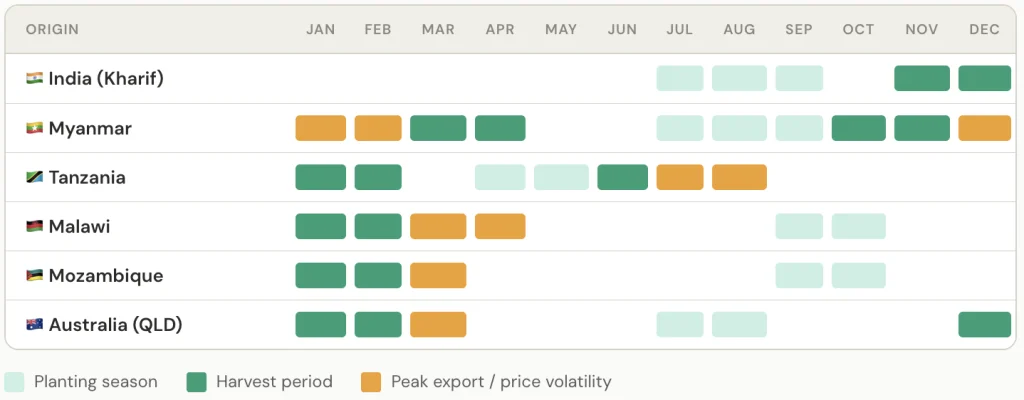
The May-June window – after Myanmar’s late-season exports taper and before East Africa’s new crop arrivals – is historically the tightest period for Indian import procurement. India’s own post-harvest window (November-January) provides some domestic price relief, but the depth of that relief depends on the size of the kharif crop relative to domestic consumption requirements.
Structural Trends Shaping the Pigeon Pea Market
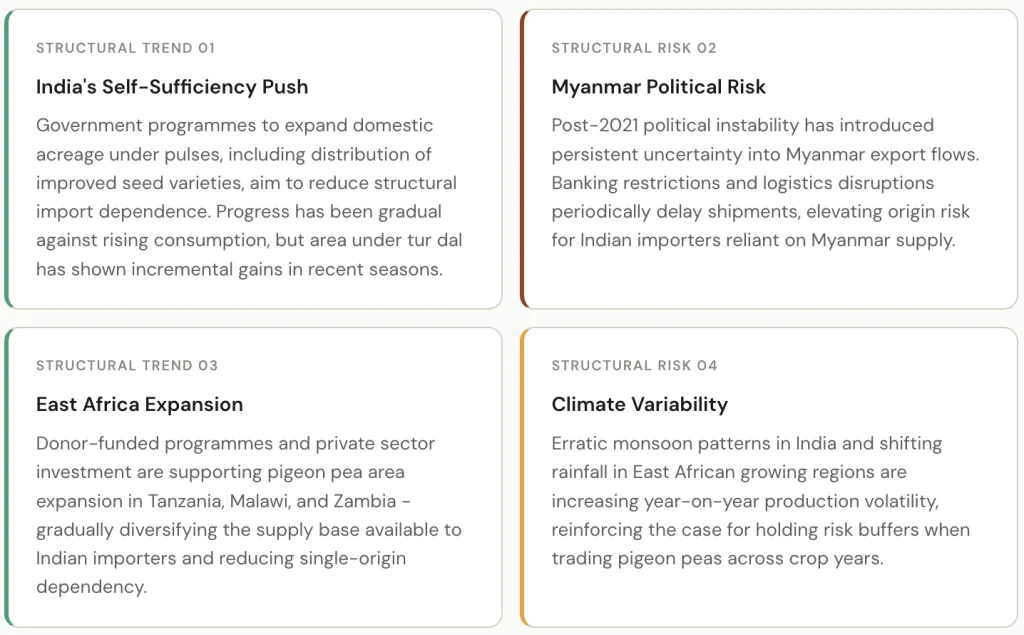
Beyond cyclical factors, several structural forces are reshaping tur dal global trade over the medium term.
Current Market Context for Pigeon Peas
The pigeon pea market operates in a persistent state of managed tightness. India’s consumption exceeds domestic production in most years, creating a structural import requirement that has averaged between 600,000 and 800,000 tonnes annually over the past five years.
Indian government policy remains the dominant market signal. Import duty adjustments have historically been used counter-cyclically: duties are reduced when domestic prices rise above politically acceptable levels and reimposed when prices fall below the MSP floor. Traders across all origins must monitor Indian policy announcements as a core part of their risk management framework.
On the supply side, Myanmar’s structural importance is accompanied by structural uncertainty. Logistics costs, banking access constraints, and phytosanitary compliance requirements are all elevated relative to pre-2021 norms. East African origins continue to absorb demand that cannot be sourced reliably from Myanmar, and their role in the global pigeon pea supply chain is likely to increase further over the coming decade.
Conclusion: Why Pigeon Peas Demand Dedicated Market Intelligence
Pigeon peas represent one of the most policy-sensitive commodity markets in global agriculture. The combination of concentrated supply origins, a single dominant import buyer, and an activist government intervention framework in India creates conditions where price moves can be sharp, sudden, and difficult to anticipate without granular, on-the-ground intelligence.
For traders, processors, and procurement teams active in this market, tracking pulse price drivers simultaneously – monsoon forecasts, Myanmar export flows, Indian policy signals, and East African crop conditions – is not optional. It is the minimum requirement for managing pigeon pea market risk effectively.