Brazil Export Growth Surges Beyond Expectations
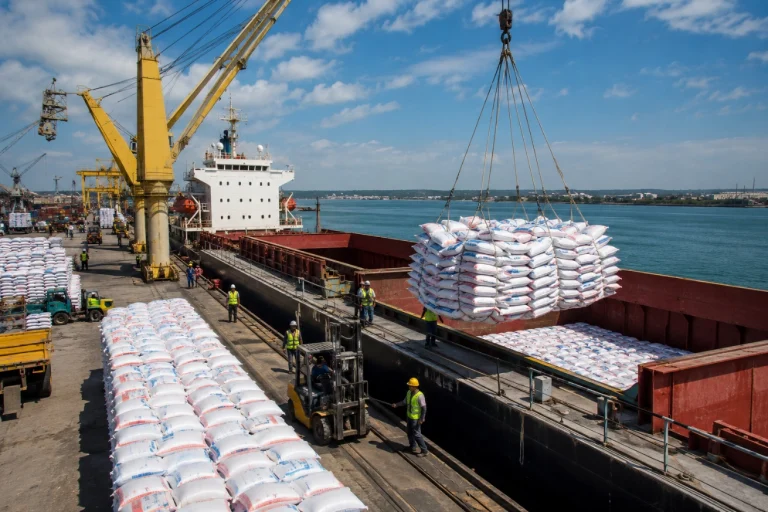
Brazil has rapidly expanded its agricultural trade, now exporting $160–180 billion worth of commodities annually. This puts it nearly on par with the US at $180 billion, while far ahead of Canada’s $40 billion and Australia’s $60 billion.
Brazil’s rise has largely been powered by booming Chinese demand for soybeans, corn, coffee, sugar and beef—products that directly compete with US exports.

China Support Strengthens Brazil’s Market Position
China has played a pivotal role in this transformation. Beyond purchasing nearly all of Brazil’s soybean output this year, Beijing has also invested in improving Brazilian infrastructure and increased purchases of corn.
China’s partnership, along with the support of BRICS nations, has helped Brazil become a consistent and competitive supplier in the global agricultural market.
 Markets & InvestingCoarse Grains Market Turns Bearish as Prices Fall 9%
Markets Diversify as Brazil Expands Beyond Traditional Crops
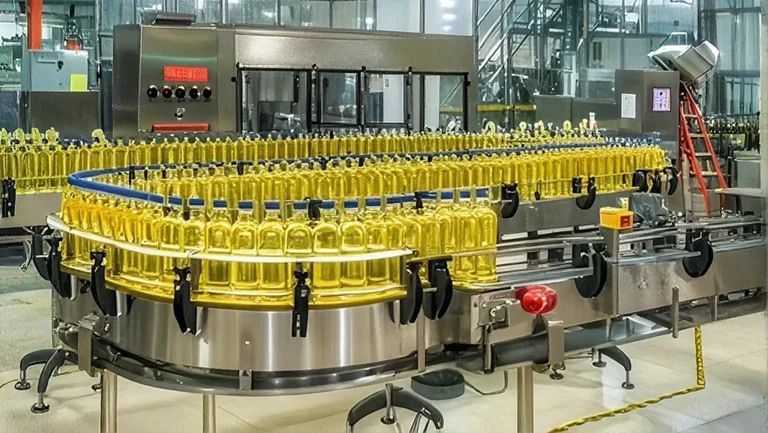
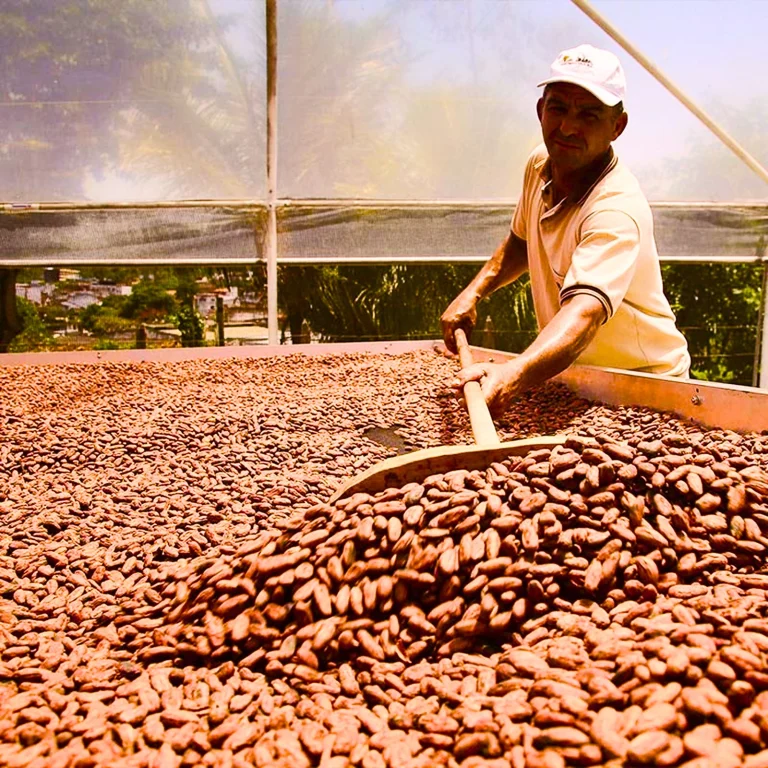
Markets across Asia, Europe and Latin America increasingly import Brazilian commodities because the country has not limited itself to a few products.
In the cotton sector, for instance, Brazil’s rise has been dramatic:
- It now commands 25% of the Bangladesh market
- India’s share has dropped to 15%
- The US stands at 7%
Brazil has quietly positioned itself as a reliable alternative supplier across multiple commodity categories.
Research Investment Drives Long-Term Competitiveness
Research has been one of Brazil’s strongest levers. According to a USDA study, factors that accelerated Brazil’s transformation include:
- Advanced agricultural research boosting yields
- Expansion of arable land through scientific methods
- Large-scale adoption of modern production technologies
- Development of new crop and forage varieties
- Rising global demand for food and animal feed
Increases in output were further supported by low energy costs, favorable interest rates, and competitive macroeconomic policies.
Transformation Fueled by Policy, Investment and Strategy
Transformation came through:
- Export-oriented macroeconomic policies
- Targeted crop-specific incentives
- High levels of foreign investment
- Growing presence of multinational agribusiness firms
- Focus on production efficiency and technology
Brazil also capitalized on market dynamics. When China urgently needed soybeans, Brazil strategically secured a $20 per tonne premium—a sign of its rising bargaining power in global trade.
Strategy Built on Silence, Not Spectacle
Strategy in Brazil’s case has been strikingly understated. While other countries argue, negotiate tariffs, or launch public trade battles, Brazil quietly strengthened capabilities and expanded market share.
This silent, steady approach demonstrates how consistency and competitiveness can outperform louder geopolitical tactics.
Conclusion
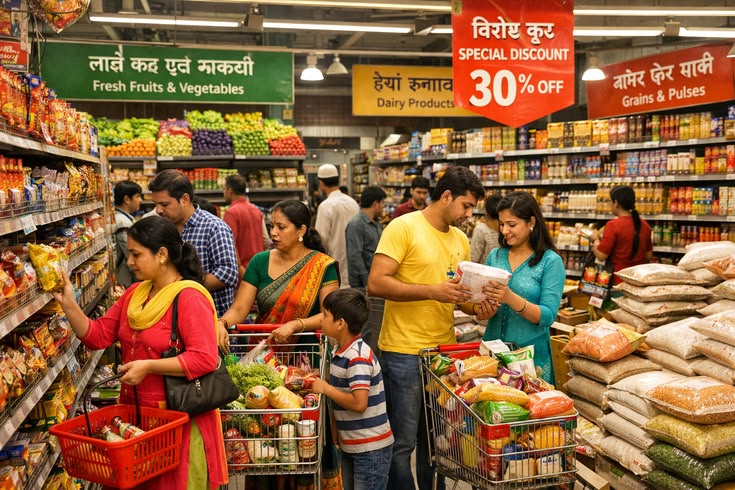
Brazil’s success offers a powerful lesson: sustainable agri-export growth is achieved through diversification, long-term research investments, strong trade relationships, and a focused policy environment. Countries aspiring to expand their agricultural exports—India included—can gain valuable insights from Brazil’s quiet rise to global dominance.