Canada’s Agricultural Exports Quadrupled in Value – But Market Share Has Shrunk
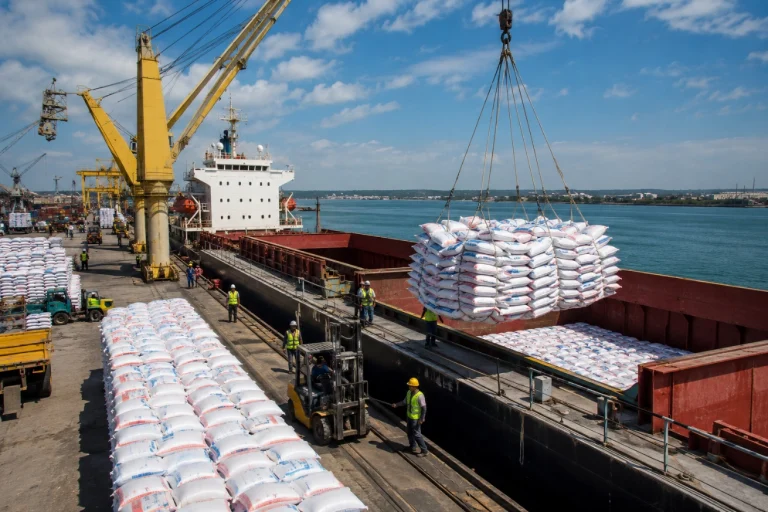
Canada’s agri-food exports reached CAD 102 billion in 2024, placing the sector third in total national export value behind energy and minerals. Despite this growth in absolute terms, Canada’s global agricultural market share has contracted by 12% since 2000, as competitors such as Brazil and Australia aggressively expanded into high-growth regions.
The structural problem is one of concentration. The US accounted for over 60% of Canada’s agri-food export value in 2024, making Canada the least diversified among top global agri-food exporters when measured by trading partner spread. That dependency has become a strategic liability.

Canada accounts for 20% of US agri-food imports, but large-scale tariff application to agricultural products would make Canada a materially less competitive trade partner to the US. The tariff threats that emerged in early 2025 have accelerated the urgency of reform.
Canadian Dollar Exchange Rate Impact: A Silent Margin Destroyer
One of the most underappreciated risks to Canada farm profitability is the CAD-USD exchange rate. Because Canadian commodities are priced relative to US markets, revenue is continuously exposed to currency fluctuations that have nothing to do with supply or demand fundamentals.
A single one-cent appreciation in the Canadian dollar can reduce crop sale prices by approximately 1%, stripping roughly 15 cents per bushel from soybean revenues. For a producer marketing tens of thousands of bushels annually, that exposure compounds rapidly across a season.
The Canadian dollar’s relationship to agricultural revenues operates through a dual mechanism: revenues are denominated in USD, while costs are frequently incurred in CAD. This creates a permanent structural basis risk that producers must actively manage rather than passively absorb.
 Markets & InvestingCoarse Grains Market Turns Bearish as Prices Fall 9%
Energy Policy and Biofuel Mandates Enter the Equation
Crops are no longer purely food commodities. The deepening integration of corn and other grains into global biofuel supply chains has introduced a new layer of price volatility driven by energy policy decisions, government mandates, and crude oil markets rather than agricultural fundamentals alone.
This linkage between energy markets and grain prices means that agricultural trade risk management must now account for variables historically associated with petrochemical markets: refinery margins, blend mandates, carbon pricing regimes, and logistics costs tied to fuel prices.
For Canadian producers already exposed to CAD-USD currency risk, the energy-agriculture price nexus adds a further dimension of earnings unpredictability that basic marketing strategies are not equipped to address.
Interest Rate Normalisation Has Permanently Altered Farm Cash Flow
The era of near-zero borrowing costs is over. While central bank easing resumed in 2024 and 2025, interest rates have normalised at levels materially higher than the pre-2022 environment that shaped the financial structures of many Canadian farm operations.
Total farm sector liabilities grew at 14.4% in 2024, outpacing total asset growth of 6.3%, meaning farm sector equity growth slowed for the first time in five years. Crop inventory values also declined by 17.9% over the same period, reflecting both lower prices and reduced on-farm stocks.
For producers carrying significant variable-rate debt, interest expense has become a priority variable in cash flow planning. Unlike commodity prices or weather, interest expenses represent one of the few variables a producer can actually lock in over a defined horizon, providing a degree of financial certainty that other inputs cannot offer.
RBC Agri-Food Report Identifies $44 Billion Diversification Opportunity
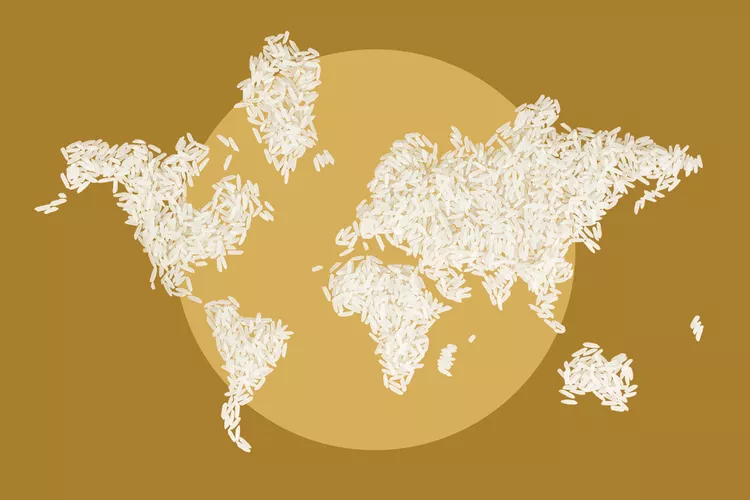
The RBC “Food First” report outlines a plan to expand Canada’s global agri-food market share by 30% and drive $44 billion in new exports by 2035, targeting high-growth regions including Southeast Asia, Africa, and the Middle East.
The EU and Indo-Pacific are projected to increase annual food consumption by 11% and 14%, respectively, over the next decade, representing the core of the addressable opportunity for Canadian agri-food exporters.
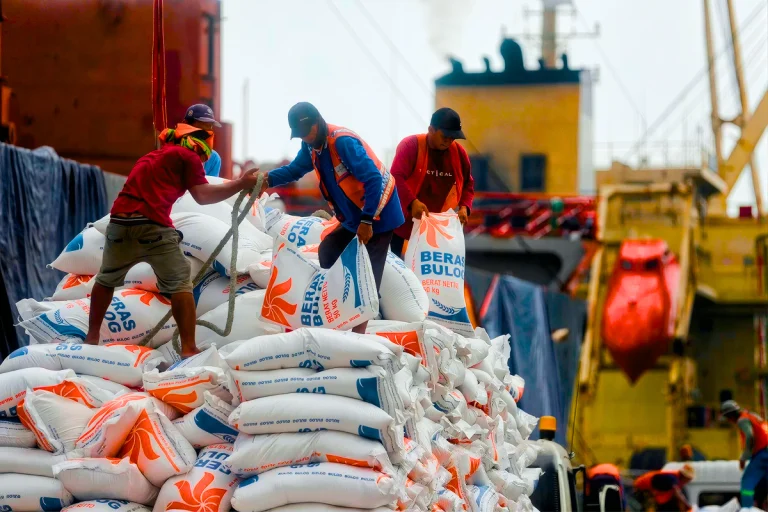
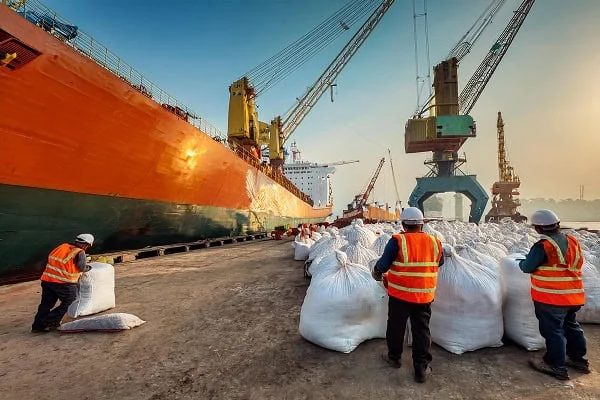
Realising that opportunity requires structural reform across three domains: closing the digital and broadband infrastructure gap in rural Canada, modernising ports and logistics networks to improve export reliability, and strengthening market development capabilities in high-growth regions through regulatory alignment with Southeast Asian, African, and Latin American buyers.
Canada’s reputation for food safety standards and premium product quality provides a foundation that few competitors can replicate. The challenge is execution: translating that reputational advantage into consistent, high-volume, cost-competitive supply to a wider set of international markets.
Agricultural Trade Risk Management: What Producers Must Do Now
The evolution of Canadian agriculture from a domestically anchored, bilaterally traded industry into a globally integrated supply chain demands a corresponding evolution in how producers manage financial risk.
Futures contracts, forward sales, and options strategies provide direct protection against sudden commodity price declines, allowing producers to lock in margins at planting rather than accepting spot price exposure at harvest. These are not speculative instruments when used correctly – they are margin protection tools.
Debt portfolio management deserves equivalent attention. Balancing fixed and floating rate debt, deploying interest rate swaps where appropriate, and laddering maturities to distribute refinancing risk across time can meaningfully reduce the volatility of farm cash flows. The objective is not to eliminate debt, but to structure it so that its cost is predictable and its timing does not coincide with periods of commodity price weakness.
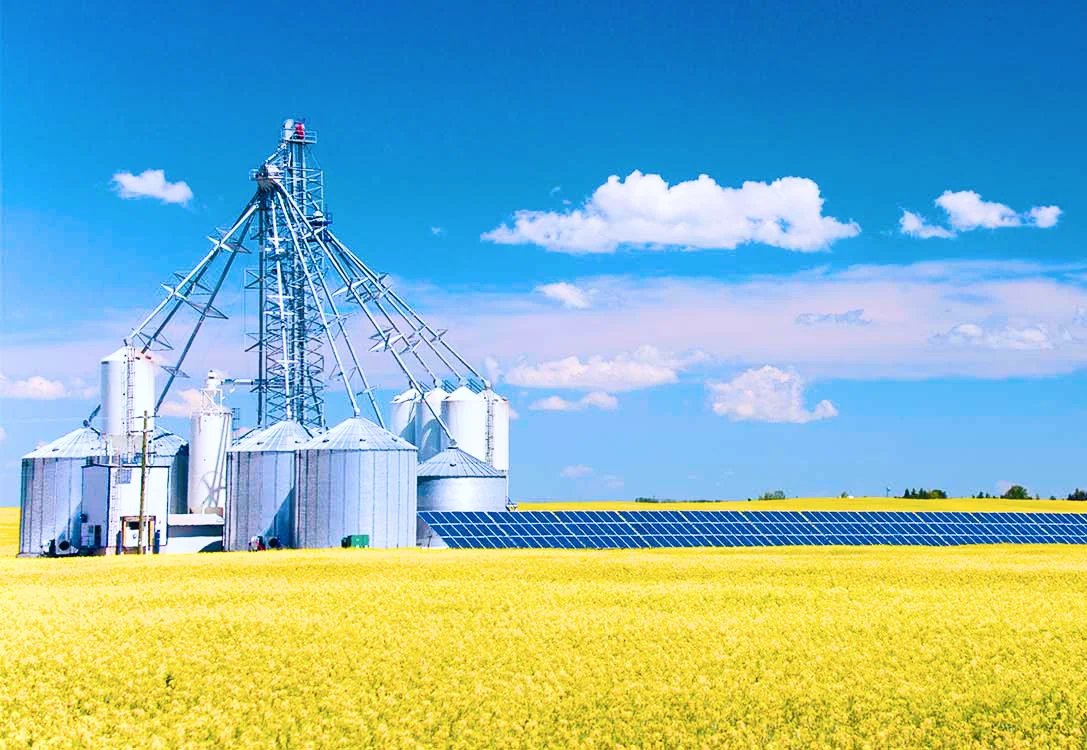
Canada’s agricultural exports have quadrupled in value since 2000, yet market share has contracted over the same period. Bridging that gap requires producers to operate with the financial sophistication of commodity trading firms, not simply as agronomic specialists.
Conclusion
Canadian agriculture export diversification is no longer an aspirational policy objective – it is a commercial imperative. With rising trade uncertainty, escalating tariff risk in North America, and competitors expanding aggressively into high-growth regions, Canada must accelerate efforts to broaden its trading partner base.
The RBC Agri-Food Report provides a credible roadmap: $44 billion in additional exports by 2035 is achievable, but only through coordinated reform of infrastructure, market development, and producer-level financial management. Producers who build external networks of financial advisors, commodity specialists, and risk managers – and who deploy structured hedging and debt strategies accordingly – will be best positioned to capture the demand that international markets are already signalling.