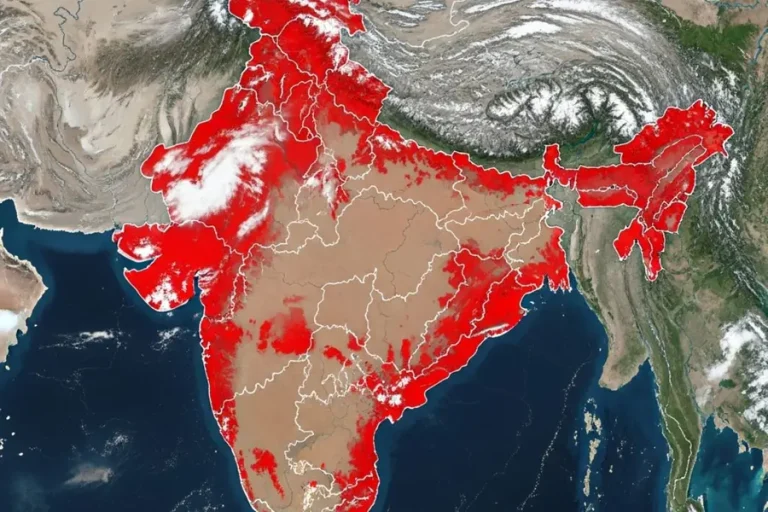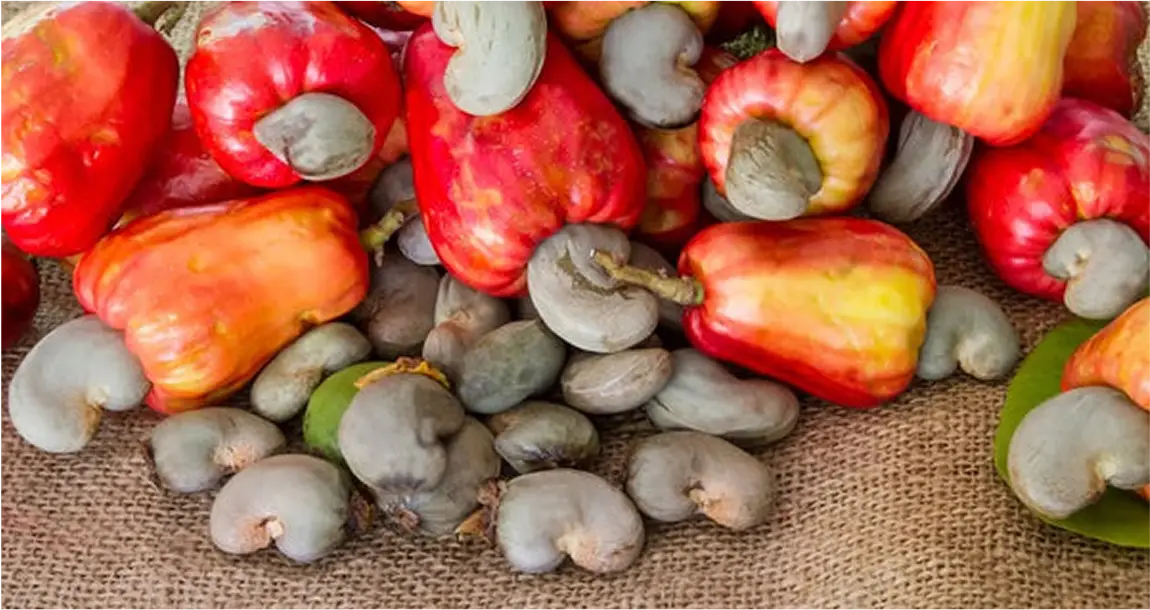
Raw cashew nut (RCN) and cashew kernel prices are currently stable, supported by a marginal rise in production and steady demand for value-added cashew products. However, this balance could be disrupted if El Niño conditions emerge later this year, as forecast by several global weather agencies.
El Niño, expected to develop during the July–September quarter, typically brings drought and prolonged dry spells across Asia and parts of Africa—regions that account for a large share of global cashew output. The impact of the last El Niño episode in 2023 offers a clear warning.

Lessons from El Niño 2023
Cashew production was hit across several key origins:
- Cambodia saw output fall to 650,000–700,000 tonnes from over 875,000 tonnes earlier, as unseasonal rains during flowering caused flower drop and poor nut formation. Harvest-time rains also hurt RCN quality. Prolonged stress led farmers to uproot trees, reducing cashew area by nearly 100,000 hectares.
- Vietnam and India faced heat stress and drought, resulting in uneven yields.
- Tanzania and Ghana recorded significant losses, with Ghana’s production falling nearly 30% in 2024.
- Côte d’Ivoire harvested a record crop, but quality remained average.
- Nigeria, Guinea-Bissau, Benin and Burkina Faso reported strong volumes, though crops were under weather stress and farmers incurred higher input costs due to increased pesticide and fertiliser use.
As a result, global RCN production tightened in 2024, triggering a sharp rise in prices before easing again in 2025.
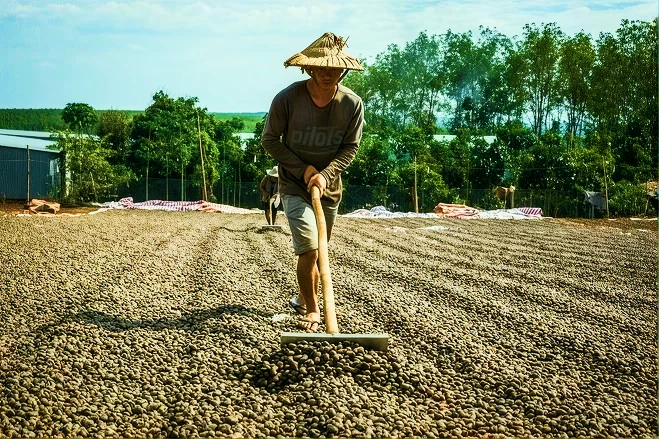 BusinessFrom Tree to Treat: The Hidden World of Raw Cashew Nut Origins
Outlook for prices and supply
If cashew crops face fresh weather stress in late 2026, supplies for the 2026–27 season could tighten, pushing prices higher. A broader global economic recovery would further support demand, especially as cashews gain popularity for their nutritional and health benefits.
At present, RCN cost-and-freight prices are hovering around $1,600–1,700 per tonne. Prices could rise by $100–200 per tonne if supply risks intensify, even as some African origins such as Côte d’Ivoire and Ghana signal willingness to offer discounts.
On the supply side, global raw cashew production could reach 6 million tonnes in 2026–27, up from an estimated 5.5 million tonnes in 2025–26, provided weather conditions remain favourable. The key variable, once again, will be the evolution of El Niño in the second half of the year.