Global Cashew Sector Set for Major Transformation
The global cashew nut industry is undergoing a substantial transformation. African nations are steadily increasing their cashew production to meet worldwide demand, challenging established market dynamics. While India maintains its position as the leading consumer, producer, and processor of cashews, the strategic policy shifts by African countries are preventing India from maintaining its historical market dominance.
Several African nations including Ivory Coast, Benin, Tanzania, and Nigeria have implemented a combination of export restrictions and protective measures designed to foster domestic processing industries. Last year, Ivory Coast banned raw cashew nut exports following crop damage from adverse weather conditions.

These African countries have gone beyond simple export controls. They’ve established specific timeframes during which exporters cannot purchase cashews. Ivory Coast previously prohibited exporters from buying during the first 30 days of the harvest season, and has now extended this restriction to 45 days. This policy ensures local processors have exclusive buying access, effectively incentivizing the domestic processing industry while creating significant challenges for international trade.
Despite Benin’s 2024 ban on raw cashew exports, enforcement has proven difficult. Raw cashews are being smuggled into neighboring countries, particularly Togo, before being shipped to importing nations like India. Industry experts note that these measures by African countries aim to develop continent-based processing capacity rather than exporting raw materials.
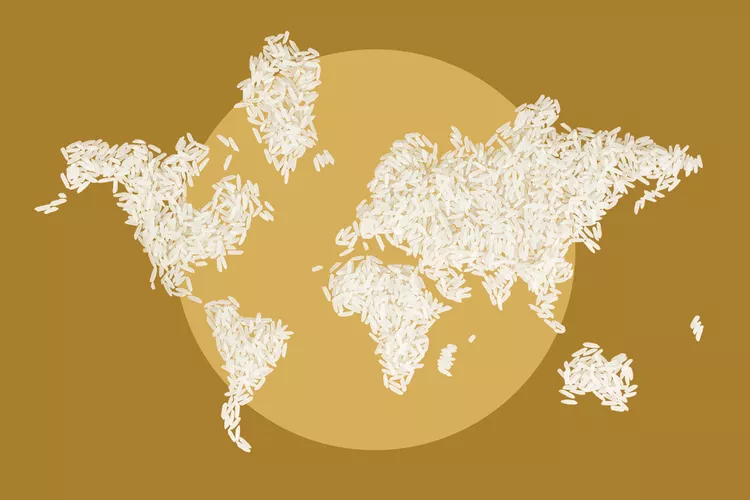
 GeopoliticsWhy India Has So Much Power Over the Global Rice Market
India’s Changing Position in the Cashew Market
The cashew industry has historically been a cornerstone for India, with New Delhi wielding considerable market control. However, with exports declining, India’s influence has weakened significantly. The country now faces premium prices for imports while confronting intense competition from countries like Vietnam, which secures Cambodia’s entire cashew production at competitive rates.
India’s competitive position is further challenged by higher production costs resulting from various federal and state government policies. Indian companies such as Olam, ETG, and El Dorado that have established processing facilities in Africa continue to perform well despite these challenges.
Strategic Responses from Indian Industry
The Indian cashew industry is finally addressing these emerging challenges. Industry leaders emphasize the need to increase domestic cashew cultivation by utilizing India’s extensive eastern and western coastlines, which offer ideal growing conditions for cashew trees.
This strategic pivot includes efforts to introduce high-yielding cashew varieties that comply with quarantine regulations—a positive step toward reclaiming market initiative from African nations. The industry timeline suggests a 15-year horizon to achieve meaningful results, acknowledging the long-term nature of agricultural transformation.
The Indian cashew trade generally opposes government interventions in markets, similar to those currently implemented in African countries, although India itself has a history of market interventions. These policies have contributed to cashew price increases of 40-45 percent, substantially higher than the expected 25 percent rise.
Market Outlook
While cashew prices are due for correction as global production increases this year, strong domestic demand in India is expected to limit any significant price drops. Market analysts report that Indian consumption is experiencing substantial growth, which may sustain current price levels.
From July onward, tariffs announced by the Trump administration in the US are expected to take effect, potentially benefiting India. While tariffs for African countries remain low, these nations aren’t positioned to leverage this advantage. The Indian cashew sector must reassess its strategic position and implement corrective measures to regain its leadership in the global market.
The Digital Imperative in Commodities Trading
The current market dynamics highlight critical gaps in digital infrastructure across the commodities trading ecosystem:
- Effective arbitrage identification requires sophisticated, corridor-specific market intelligence
- Risk assessment models need near real-time recalibration capabilities
- Contract management, hedging strategies, and execution processes demand technology-native workflows