The wheat market started 2024 with notable momentum, gaining nearly three percent in January. Two critical developments are now poised to shape market direction in the coming months.
First, the global trading landscape has been jolted by US President Trump’s latest tariff announcements. On February 1, the administration imposed a 10% duty on Chinese imports and a 25% tariff on imports from Canada and Mexico, with Canadian energy products facing a 10% rate.

The response has been swift and unified. Canadian President Justin Trudeau announced retaliatory 25% tariffs targeting US food and alcohol products, with unprecedented political unity across Canada backing these measures. Mexico’s President Claudia Sheinbaum has indicated similar retaliatory measures are being prepared, while China has also promised countermeasures.
This escalating trade tension could reshape global wheat trade flows. If China implements tariffs on US wheat or corn, American producers might pivot to alternative markets like the European Union or African nations, potentially leading to more competitive pricing in these regions.
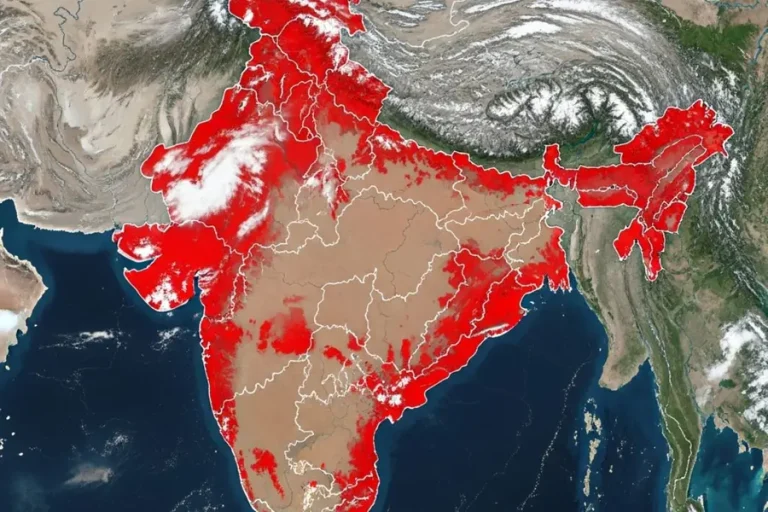
The second major factor is the concerning weather situation in the Indian subcontinent. The India Meteorological Department’s January 31 forecast warns of potential risks to wheat crops due to below-normal rainfall and above-normal temperatures expected in February.
This weather challenge comes at a particularly sensitive time for India’s wheat market. The country has experienced deficient rainfall since October, with November recording some of the warmest temperatures in recent history. Market analysts suggest India needs to produce over 110 million tonnes of wheat to maintain adequate supply until the next harvest.
The situation mirrors concerns from 2023 and 2024. If the Food Corporation of India (FCI) struggles to build sufficient buffer stocks, import necessity could trigger significant price movements in global markets. While Russia could be a potential supplier, their own crop has faced challenges this year.
Current market indicators show Chicago SRW wheat futures at $5.607 per bushel, reflecting a 1.5% increase in January, though still down 8% year-on-year.
 Markets & InvestingAustralian Winter Crop Production Slides 21% on Bearish Outlook
Conclusion
As we move through February, the global wheat market’s direction will likely be more influenced by India’s crop conditions than the ongoing trade disputes. Traders should closely monitor Indian weather patterns and crop development, as any significant shortfall could trigger import demand and potentially sharp price movements. For market participants, maintaining flexible trading strategies and diverse sourcing options will be crucial in navigating these uncertainties.