The Political Backdrop
The 2024 Parliamentary elections marked a turning point when the BJP fell short of an outright majority, securing only 240 seats instead of the required 275. Political analysts attribute this partly to BJP President JP Nadda’s statement that the party didn’t need RSS support to win elections. This comment reportedly led to the RSS—a powerful nationalist organization with grassroots influence—taking a step back during the national elections.
The consequences of this political miscalculation became evident in subsequent state elections in Maharashtra, Haryana, and Delhi. With the RSS back in action supporting the BJP, the party secured victories in these crucial states, demonstrating the Sangh’s continued influence over Indian politics.

Implications for Agricultural Trade Policies
Sources close to the Indian government suggest that RSS’s renewed influence is already shaping agricultural policy decisions. The organization has traditionally advocated for protecting domestic farmers’ interests, often favoring protectionist policies over liberal trade.
Wheat Import Duties
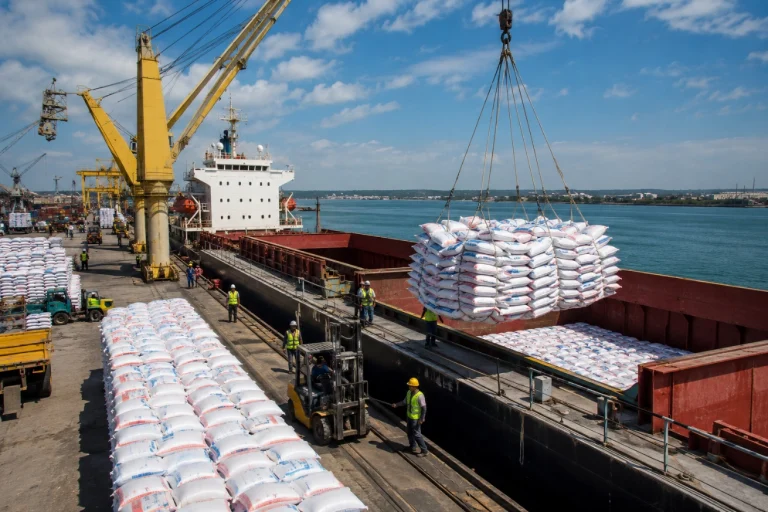
Despite Australian government officials suggesting that India might lower import duties on wheat later this year, creating opportunities for Australian growers, the political reality suggests otherwise. With RSS influence in play, India is unlikely to reduce wheat import duties unless domestic production faces severe challenges. This stance reflects the prioritization of local farmer interests over international trade opportunities.
Pulse Market Dynamics
Recent policy decisions further illustrate this trend:
- Reimposition of duties on lentils (masur): India has reintroduced import duties on this pulse variety
- Approval to reintroduce duties on yellow peas: The Food Ministry has moved to reinstate these duties
- Duty-free imports of pigeon peas (tur): These remain in place, primarily due to domestic shortages
- Uncertain future for black matpe (urad) and desi chickpeas: Current duty-free import provisions expire on March 31, 2025
Industry experts predict that duty-free status for black matpe might be extended to keep prices under control due to supply constraints. However, Australian chickpea growers should prepare for the potential reintroduction of duties on their products.
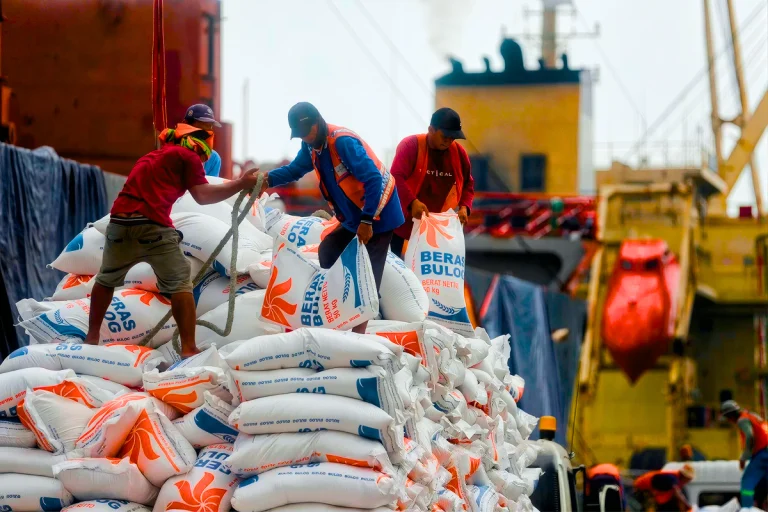 GeopoliticsWhy India Has So Much Power Over the Global Rice Market
The Broader Picture
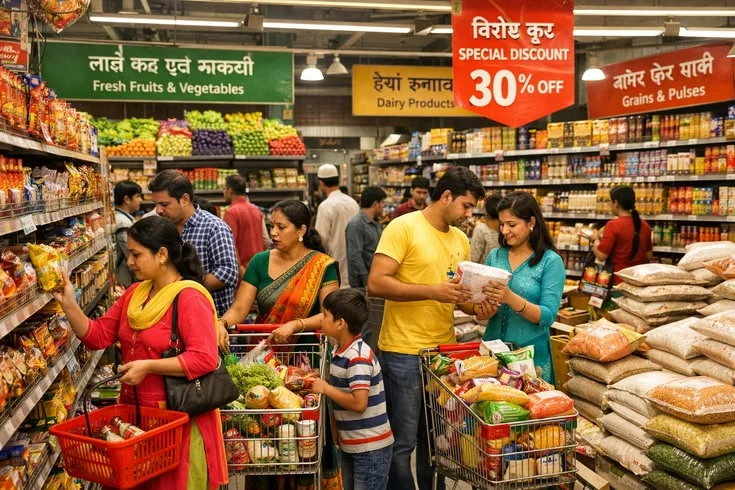
These policy directions suggest a clear pattern: India’s agricultural trade policies are increasingly being shaped by domestic political considerations rather than purely economic factors. The government appears poised to implement measures that protect local farmers and ensure better returns for them, even if this means restricting import opportunities for international suppliers.
For global agricultural traders, understanding these political undercurrents is becoming as crucial as analyzing market fundamentals when predicting India’s import-export policies.
Conclusion
As politics continues to influence agricultural trade globally, stakeholders in the agricultural commodity market must develop a nuanced understanding of political dynamics in major agricultural economies like India. For traders and investors dealing with Indian agricultural commodities, monitoring the evolving relationship between the BJP government and the RSS will provide valuable insights into future policy directions. With farmer welfare likely to remain a priority under the current political climate, import restrictions may continue to protect domestic producers while potentially creating supply challenges in certain commodities where domestic production falls short. International traders should prepare for a strategic approach that accounts for these political realities when planning their India-focused operations.