Budget Focus: Smarter Spending, Clearer Priorities
Budget 2026 reflects tighter fiscal discipline alongside sharper outcomes. The government has chosen to withdraw funds from underperforming schemes and redirect spending toward initiatives that improve productivity, resilience, and farmer profitability. The Bharat Vistaar framework anchors this shift by linking real-time intelligence to crop choices and seasonal planning.
Technology Push: Bharat-VISTAAR and Digital Farming
Technology takes center stage through Bharat-VISTAAR, or the Virtually Integrated System to access Agricultural Resources.

The platform integrates AgriStack with ICAR-backed practices to deliver multilingual, AI-driven advisories. Farmers will receive actionable inputs on weather, soil health, pests, and crop planning, helping reduce risk and improve yield predictability. The emphasis is not just access to data, but better decisions at the farm level.
Crops Strategy: High-Value Diversification
Crops with stronger margins and export potential are a major priority in this Budget.
Key initiatives include:
- Coconut productivity enhancement through replacement of aging trees
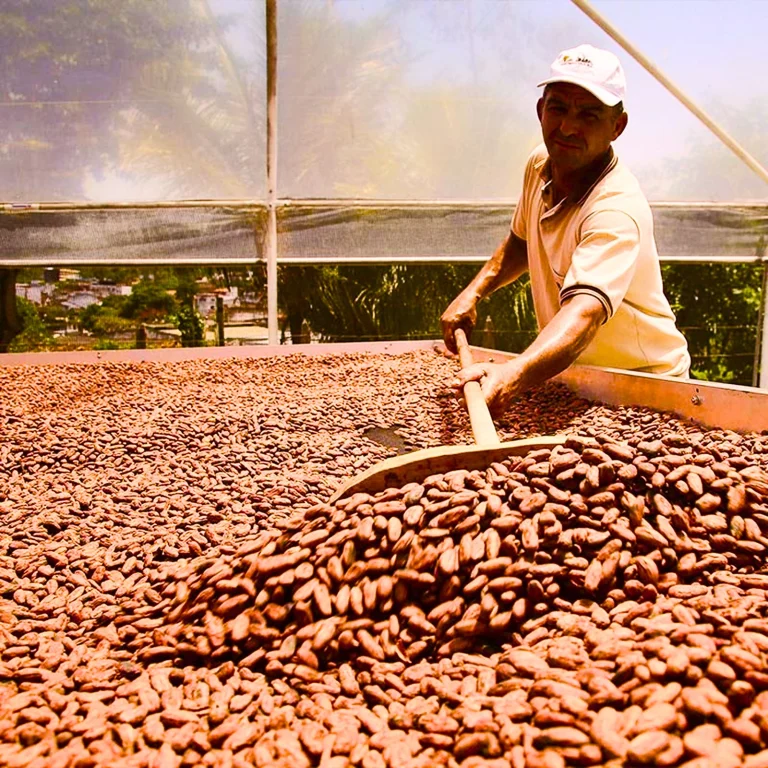
- Cashew and cocoa programs aimed at self-reliance and premium branding by 2030
- Sandalwood revival through scientific cultivation and processing
- Orchard rejuvenation and high-density planting of nuts in hilly regions
- Targeted promotion of Agar trees in the North-East
The objective is to move farmers toward crops that deliver higher income per hectare rather than higher volumes alone.
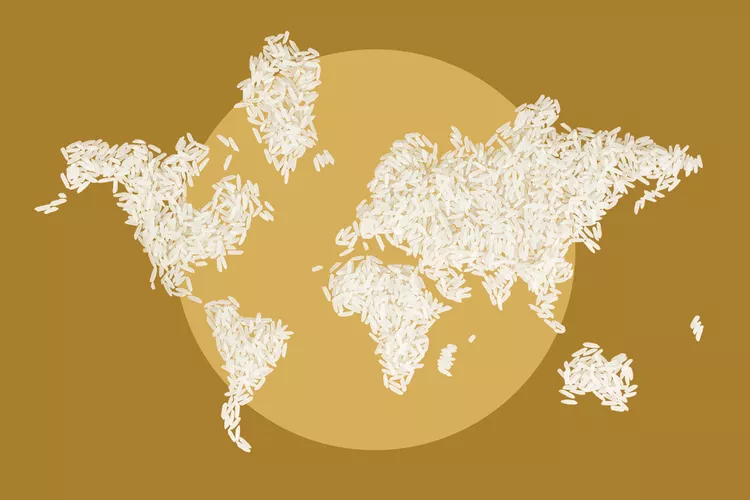
 GeopoliticsWhy India Has So Much Power Over the Global Rice Market
Fisheries and Livestock: Building Value Chains
Fisheries and animal husbandry receive focused support as engines of rural entrepreneurship.
The government plans the integrated development of 500 reservoirs and Amrit Sarovars to strengthen fisheries infrastructure. A new credit-linked subsidy scheme aims to boost livestock entrepreneurship across dairy, poultry, and allied sectors. Special emphasis has been placed on women-led groups and startups within Fish Farmer Producer Organizations.
Subsidies and Finance: Targeted and Sustainable
Subsidies remain significant but more targeted in approach.
The GST on biopesticides has been reduced to 5% to encourage sustainable inputs. JanSamarth-enabled Kisan Credit Cards will be expanded to simplify credit access, especially for women farmers, aligning with 2026 being recognised as the International Year of the Women Farmer. Fertilizer subsidies continue with an allocation exceeding ₹1.70 lakh crore to keep input costs stable.
Conclusion
Budget 2026-27 signals a meaningful transition in Indian agriculture. The emphasis on Technology, diversified Crops, scalable Fisheries, and smarter Subsidies suggests a shift from support-based farming to strategy-led growth. If implementation keeps pace with intent, this Budget could help reshape farm incomes and productivity over the coming decade.