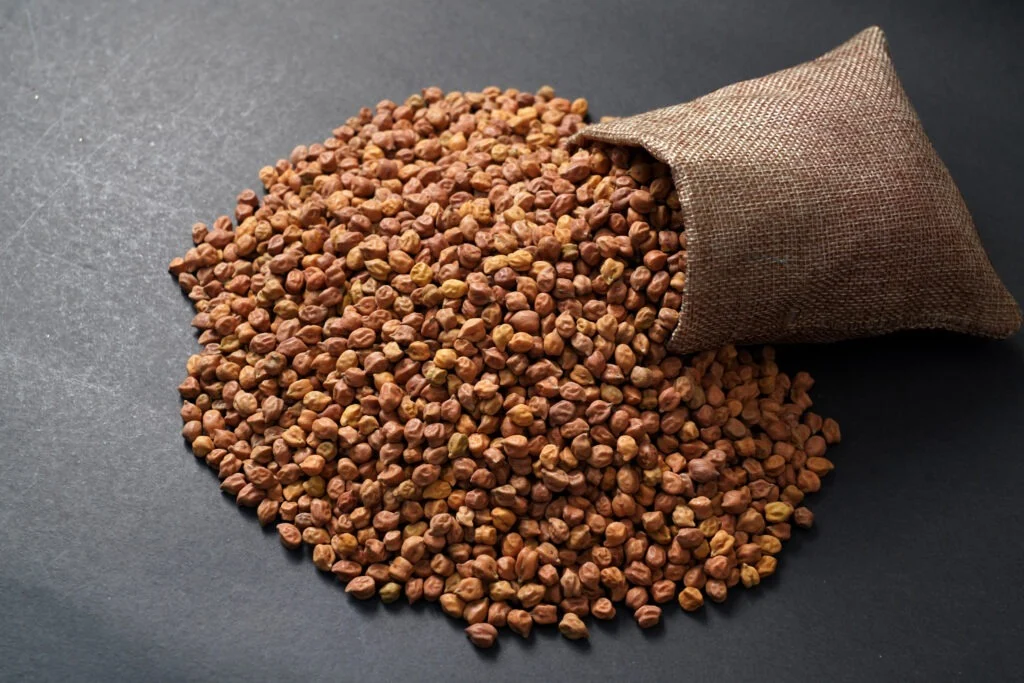
In a significant move affecting global pulse markets, the Indian government has decided to reimpose a 10% import duty on desi chickpeas starting April 1, 2025. The decision comes without the addition of the 10% agricultural infrastructure cess that typically accompanies such tariffs, providing a partial reprieve for international suppliers.
This policy shift arrives as chickpea harvests peak across India, with domestic prices falling below the government’s minimum support price (MSP) of ₹56,500 per tonne. Current weighted average prices in Indian markets have dropped to approximately ₹54,450 per tonne, raising concerns about farmer returns at a critical harvest period.

The timing of this announcement aligns with India’s increased domestic production forecasts. The country’s chickpea output for the current crop year ending in June is estimated at 12.61 million tonnes, a substantial increase from the 11.04 million tonnes produced in 2023-24. This production boost, combined with existing imports of over 1.25 million tonnes, has created ample domestic supply.
The government’s decision also supports its concurrent procurement initiative. With plans to purchase over 2.5 million tonnes of chickpeas for buffer stocks, allowing continued duty-free imports could potentially undermine this effort and risk cheaper international supplies making their way into government reserves.
For Indian policymakers, the protection of domestic pulse cultivation remains a strategic priority as the country pursues self-sufficiency in pulse production. Continued depression of local chickpea prices could prompt farmers to shift away from pulse cultivation, threatening this long-term goal.
The duty reimposition is expected to create ripple effects across global chickpea markets. International suppliers may need to adjust prices downward to accommodate the 10% tariff while maintaining competitiveness in the vital Indian market.
Australia, a major chickpea exporter, has already implemented price reductions of $5-20 per tonne across various destinations this week. Current Australian offers for April-May shipments stand at $670 per tonne, with May-June deliveries at $680. Country-specific pricing shows slight variations, with offers to Bangladesh at $670, Nepal at $700, Pakistan at $680, and the UAE at $675 per tonne for April-May deliveries (all prices on cost and freight basis).
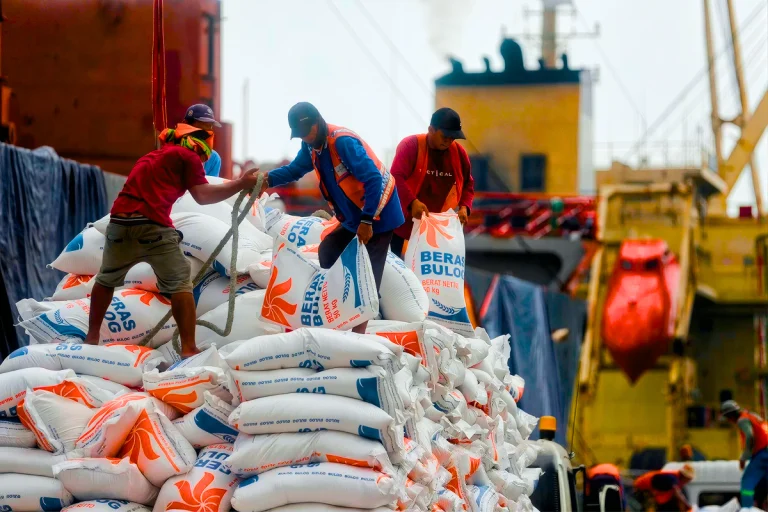 GeopoliticsWhy India Has So Much Power Over the Global Rice Market
Conclusion
The reimposition of import duty on chickpeas represents India’s balancing act between supporting domestic farmers, managing food security, and maintaining international trade relationships. For global traders and agribusinesses, this development highlights the importance of monitoring policy changes in key agricultural importing nations. As India continues its push toward pulse self-sufficiency, market participants should anticipate potential volatility in chickpea pricing and prepare for possible adjustments in trade flows. At Hectar, we continue to monitor these developments closely, providing our partners with real-time insights to navigate the evolving landscape of global pulse markets.