The Indian government’s recent signals about reinstating import duties on pulses have put the global agricultural trade community on alert, particularly Australian exporters who count India as their primary market for pulses.
Current Trade Dynamics
The duty-free import window, which began in 2021 for lentils and expanded to yellow peas and chickpeas last year, has facilitated substantial trade flows. Australian exporters have capitalized on this opportunity, with impressive numbers:

- Over 1 million tonnes of Australian chickpeas have reached Indian shores between October and February 15
- Approximately 1.1 million tonnes of lentils have been exported to India
- December alone saw 131,595 tonnes of lentil shipments
- An additional 40,000 tonnes of Australian chickpeas are reportedly in transit to India
Policy Changes and Strategic Response
The Indian Inter-Ministerial Committee’s decision to reimpose duties comes at a crucial time. Australian trade officials are working to leverage the Economic Cooperation Trade Agreement (ECTA) with India to maintain market access. Under ECTA, Australia enjoys a significant advantage:
- 50% duty reduction on lentil exports to India
- Annual quota of 150,000 tonnes under preferential terms
- Australian Department of Agriculture, Fisheries and Forest is developing strategies to navigate the new tariff landscape
Future Outlook
Several factors could influence India’s import policy decisions in the coming months:
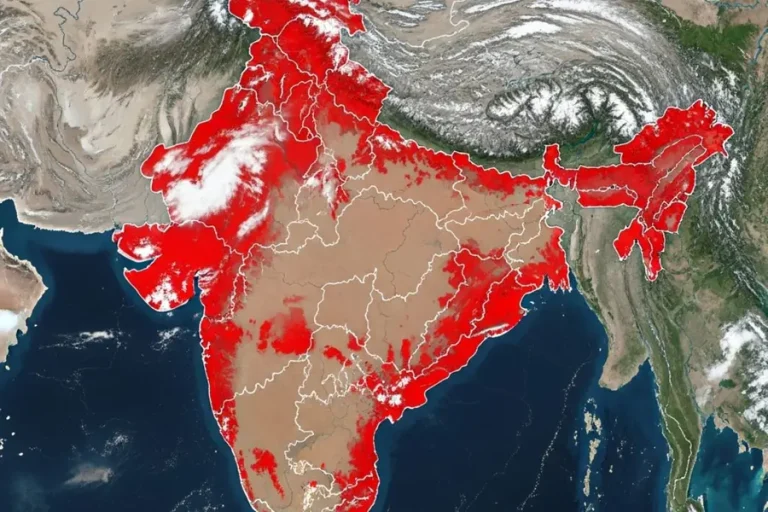
- Weather conditions: February temperatures exceeding 30°C in many parts of India raise concerns about domestic crop yields
- Food inflation: Potential price pressures might lead to duty relaxations later in the year
- Extended duty-free windows: Already announced for pigeon peas (tur) until March 2026, with possible extensions for other pulses
- Climate impact: IMD’s upcoming March weather forecast could significantly influence policy decisions
 GeopoliticsWhy India Has So Much Power Over the Global Rice Market
Broader Market Implications
The policy shift coincides with broader agricultural market dynamics:
- Potential opening in India’s wheat market for Australian exporters
- Impact on Canadian pulse exports to India
- Effects on global pulse trade routes and pricing
Conclusion: The reimposition of pulse import duties by India marks a significant shift in global agricultural trade dynamics. While short-term adjustments may be challenging for exporters, the existence of trade agreements like ECTA and potential weather-related supply concerns suggest opportunities for strategic market positioning. Traders and stakeholders would do well to monitor both policy developments and weather patterns in India, as these factors will likely influence market dynamics in the coming months.