Price Movements Indicate Market Stabilization
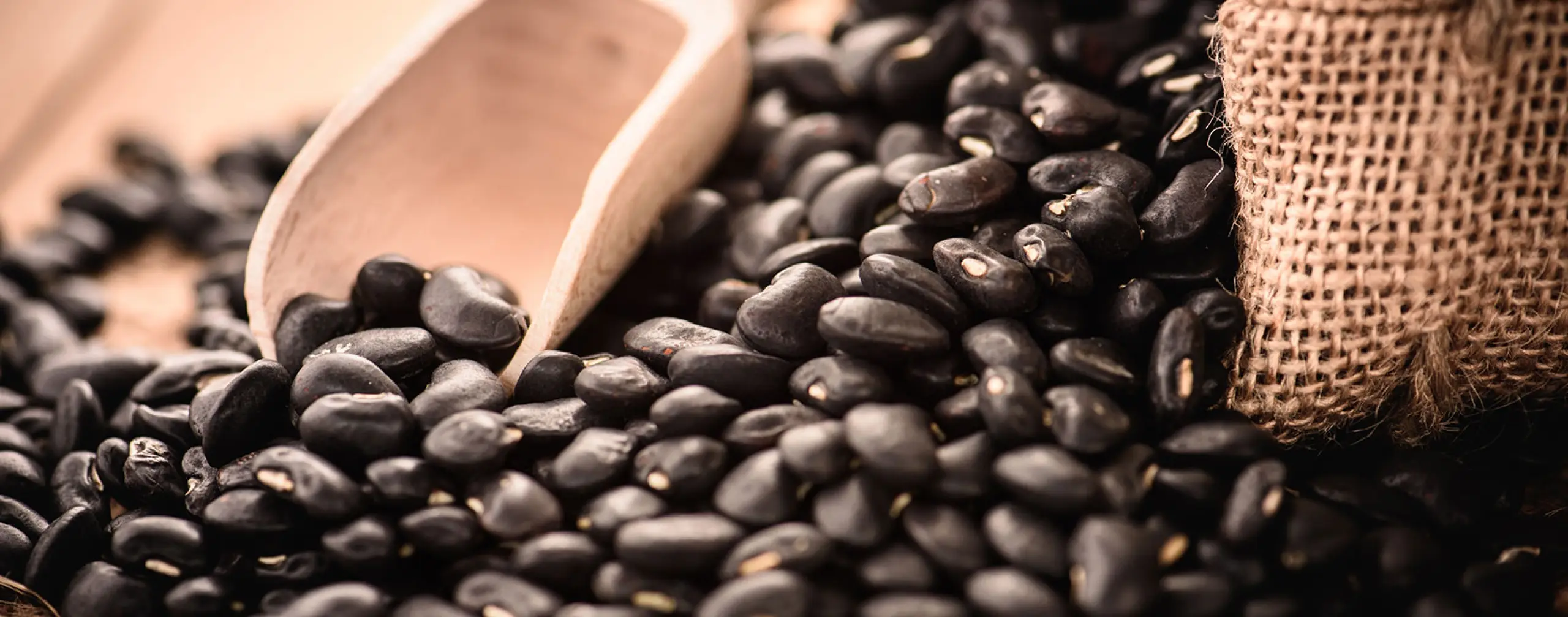
Myanmar has increased its black matpe (urad) prices by $30 a tonne last week for supplies to India, signaling what could be the beginning of market stabilization after months of downward pressure. Currently, Myanmar is offering its superior quality black matpe at $885 a tonne for March delivery, while Pakistan-bound shipments are quoted at $905.
In contrast, Brazil has taken a different approach, reducing its offer price by $10 to $950 for March delivery. The South American origin has decreased its price by approximately 2% over the past four weeks, while Myanmar has implemented a modest 1% increase during the same period.

Market Bottom May Have Been Reached
Industry analysts suggest that black matpe prices may have finally hit bottom after a prolonged decline. Prices have dropped over 25% since July 2024 in the global market, primarily due to expectations of a record harvest reaching 1 million tonnes.
The prevailing sentiment among traders indicates that the market is now seeking stability rather than continuing its downward trajectory.
 GeopoliticsWhy India Has So Much Power Over the Global Rice Market
India’s Policy Decisions as Market Drivers
India’s recent decision to end duty-free imports of yellow peas is being viewed as a contributing factor to Myanmar’s price increase. Previously, India’s substantial imports of yellow peas had put downward pressure on black matpe prices since mid-2024.
The market is now closely watching for the Indian government’s decision regarding the extension of duty-free imports of black matpe beyond the current deadline. For context, India has already extended duty-free imports for pigeon peas until March 2026, and the trade generally expects a similar extension for black matpe.
Policy Implications for Global Production
If India reintroduces import duties on black matpe, there could be significant repercussions for global production patterns. Brazilian growers might opt to skip planting black matpe in the upcoming September-October season, potentially reducing global supply by approximately 100,000 tonnes in 2025.
However, Thailand’s crop, which is reportedly of good quality, could help mitigate any potential supply shortfalls in the global market.
Timing of India’s Decision is Critical
India’s delay in announcing whether it will extend the duty-free import regime for black matpe after March 31, 2025, is creating uncertainty in the market. This uncertainty is partly responsible for Myanmar’s decision to raise prices.
Market experts note that if India fails to make a decision favoring a duty-free regime within the next two weeks, Brazilian farmers will likely shift to alternative bean crops, further impacting future supply.
Domestic Market Conditions in India
In India’s domestic market, the average black matpe price at APMC yards is currently ₹83,417 a tonne, slightly down from ₹85,190 a tonne a month ago. Prices have fluctuated throughout the month, starting at ₹80,823 at the beginning of February.
Despite these fluctuations, it’s worth noting that current black matpe prices remain lower than they were a year ago.
Conclusion
The black matpe market appears to be at an inflection point, with price movements suggesting a potential stabilization after significant declines. Myanmar’s price increase amid its harvest season indicates that the excessive discounting phase may be ending. The market’s future direction will largely depend on India’s policy decisions regarding duty-free imports and the performance of India’s winter black matpe crop, which is currently enjoying favorable weather conditions. For traders and processors, the coming weeks will be crucial as these factors converge to determine the market’s trajectory.