Market Overview
Russia’s winter wheat crop is showing concerning signs, with divergent views in the trade community about the severity of the situation. Recent forecasts from Black Sea consultancy Sovecon indicate Russian wheat production could drop to 78.7 million tonnes – a 4 million tonne reduction from previous estimates and the lowest since 2021.
Production Estimates
- Winter wheat: 50.7 million tonnes (↓ 3.7 million tonnes)
- Spring wheat: 27.9 million tonnes (↑ 0.6 million tonnes)
- Total projected production: 78.7 million tonnes
Current Market Conditions
Despite these projections, global wheat markets remain relatively stable. Wheat prices are currently trading at $5.49 per bushel, slightly below the recent one-month high of $5.59, showing marginal losses since early 2025 and a more substantial 10% decline year-over-year.

Contributing Factors
The challenges facing Russian wheat production stem from multiple factors:
- Weather disruptions, including prolonged dry spells between summer and autumn 2024
- May frost damage affecting summer crop yields
- Technological limitations in Russian agriculture
- Quality seed shortages impacting overall productivity
According to ProZerno, a Moscow-based think-tank, only 31% of Russian winter wheat is currently healthy, compared to 74% during the same period last year.
 Markets & InvestingAustralian Winter Crop Production Slides 21% on Bearish Outlook
Market Implications
The global wheat market’s stability hinges on several factors:
- Potential US trade tensions with partners like Canada, Mexico, and China
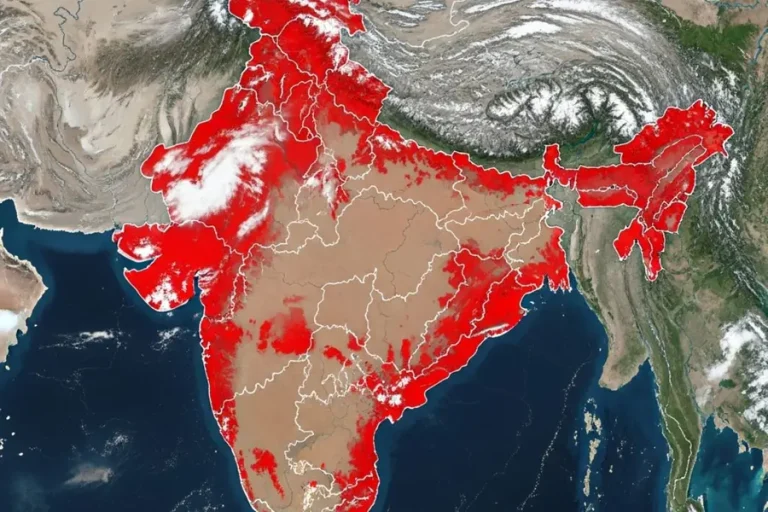
- India’s production targets, requiring over 110 million tonnes to address domestic demand
- Current low stock levels in key markets
Conclusion
While Russian wheat production faces significant challenges, global markets remain relatively stable. The situation warrants close monitoring, particularly regarding India’s production outcomes and potential trade disputes. These factors will be crucial in determining wheat prices and global food security in the coming months.