Global Market Dynamics
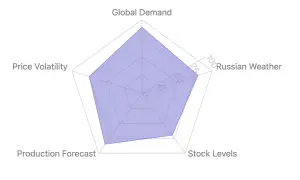
Several factors like global demand, weather conditions etc are converging to create a potent mix of bullish indicators:

1. Surge in Global Demand
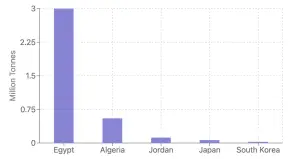
A sudden surge in wheat demand has been observed across various countries:
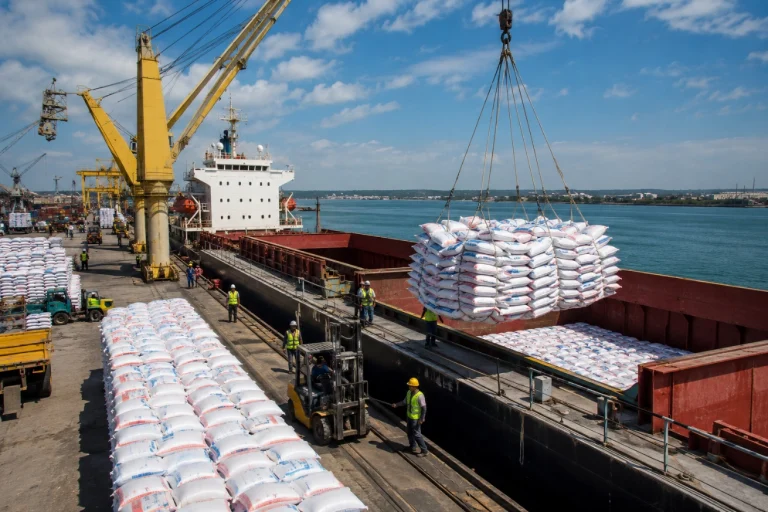
- Egypt, a major wheat importer, has inked a deal for over 3 million tonnes of Black Sea origin wheat for delivery between November 2024 and April 2025.
- Algeria’s state grains agency OAIC reportedly acquired around 550,000 tonnes of milling wheat in a global tender.
- Jordan has issued a tender for 120,000 tonnes of milling wheat.
- Japan is seeking 65,000 tonnes of feed wheat.
- South Korea has procured 26,000 tonnes of US wheat.
2. Supply Concerns
- Russia, the world’s top wheat exporter, is experiencing one of its driest periods on record.
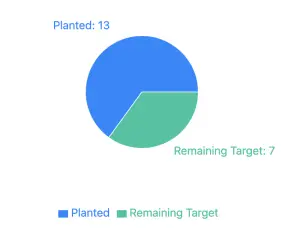
- Russian wheat planting is behind schedule, with only 13 million hectares covered out of a 20 million hectare target.Traders are skeptical about meeting this target, contributing to the price surge.
3. Market Indicators
- Chicago Board of Trade wheat futures rose to $5.99 a bushel ($220 a tonne).
- Money managers are reducing their short positions held over the past two years.
4. Market Metrics
- Egypt will import 510,000 tonnes of wheat monthly starting November 2024.
- The US Commodity Futures Trading Commission reports funds bought back 10,102 contracts in the week ending October 1.
- Despite this, funds still hold short positions equivalent to over 7 million tonnes of wheat.
- Global wheat production for the 2024-25 season is estimated at a record 797 million tonnes.
- However, global wheat stocks are at a 10-year low of 257 million tonnes.
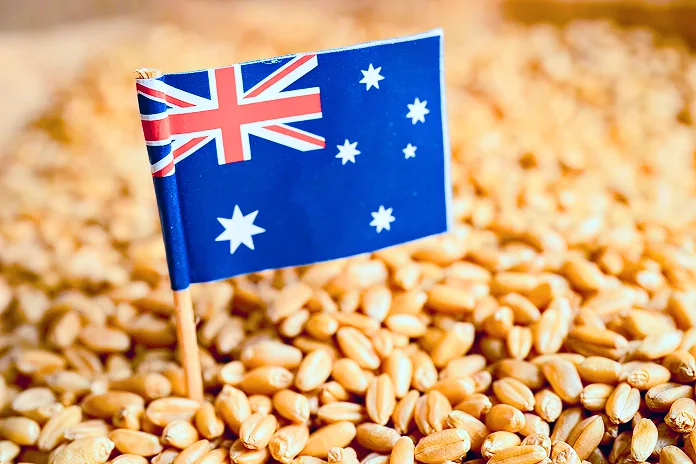 Markets & InvestingAustralian Winter Crop Production Slides 21% on Bearish Outlook
Implications and Outlook
- Price Trends: Wheat prices are expected to find support at higher levels in the coming month, potentially leading to increases in flour prices.
- Supply Chain Impact: The combination of high demand and potential supply constraints could lead to tightening markets and increased volatility.
- Regional Variations: While global trends point upward, specific regions may experience different dynamics based on local production and demand factors.
- Long-term Considerations: Future price directions will largely depend on weather patterns in key producing regions like Russia and South America, as well as the persistence of current demand trends.
Conclusion
The current dynamics in the wheat market point to a potentially volatile period ahead. The combination of strong global demand and supply uncertainties due to weather conditions in key producing regions suggests that wheat prices may continue to find support at higher levels in the near term. This situation could have far-reaching implications for global food prices, particularly affecting flour and related products.
Stakeholders across the supply chain, from farmers to food manufacturers and consumers, should prepare for potential price increases and supply fluctuations. Monitoring weather patterns in Russia and South America, as well as tracking global demand trends, will be crucial for anticipating market movements in the coming months. As the situation unfolds, it will be essential for industry participants to remain agile and responsive to these changing market conditions.